
Why This Assessment Matters
Urban lifestyle has significantly increased:
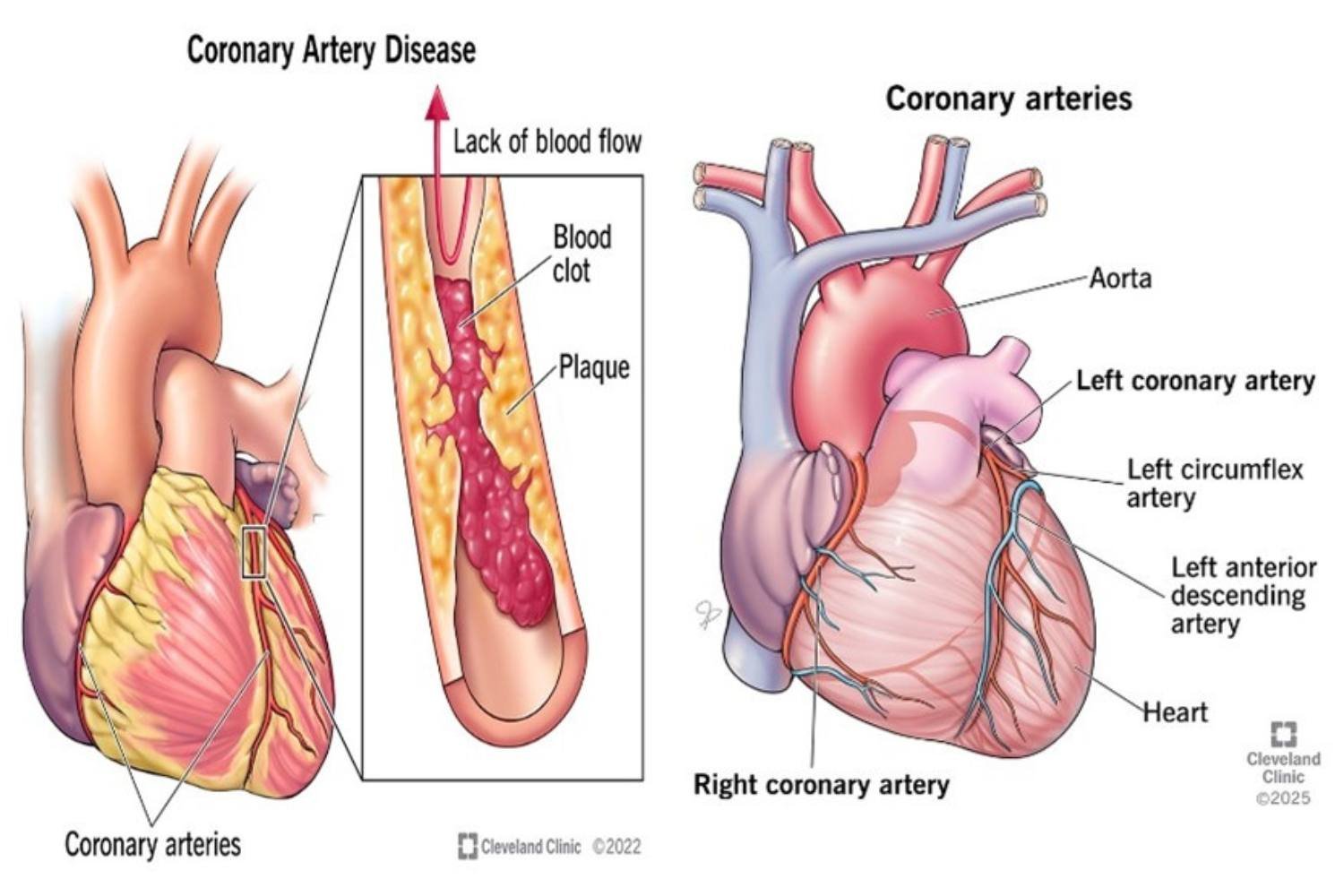
- Stress-related cardiac events
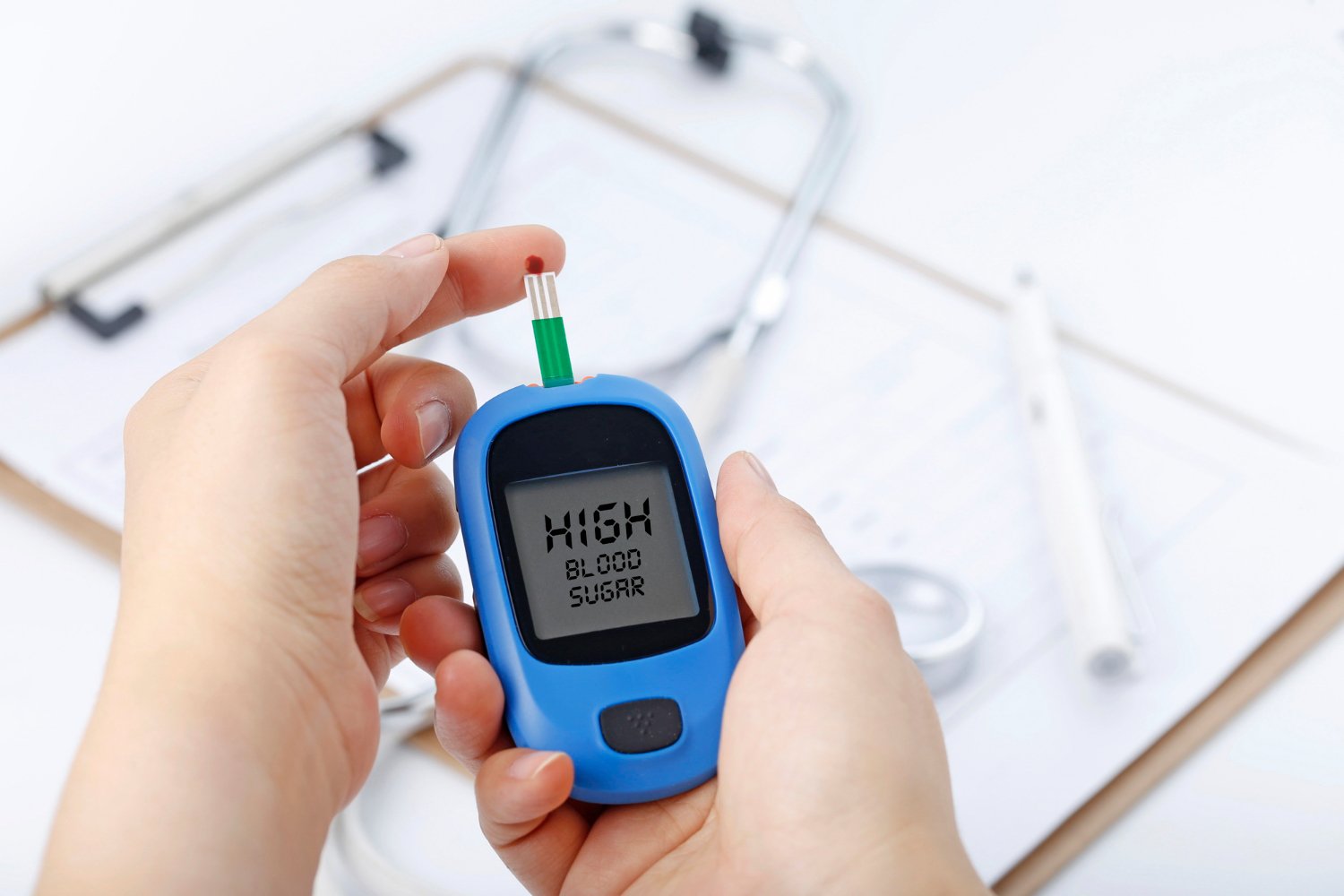
- Early diabetes
- High triglycerides
- Sedentary metabolic syndrome
Many heart attacks occur in individuals who believe they are “healthy.”
This structured checklist helps evaluate silent cardiovascular risk factors before symptoms escalate.
Section 1: Personal & Family Risk
Tick ✓ if applicable.
Age
- Male above 35
- Female above 40
- Post-menopausal woman
Family History
- Father/brother had heart disease before 55
- Mother/sister had heart disease before 65
- If you ticked any above, your baseline risk is elevated.
Section 2: Medical Risk Factors
- High blood pressure
- Diabetes / Prediabetes
- High cholesterol
- High triglycerides
- Thyroid disorder
- Overweight (Waist > 90 cm men / > 80 cm women)
- Two or more risk factors significantly increase future heart event risk.
Section 3: Lifestyle Risk
- Sedentary work (>8 hours sitting daily)
- Exercise <3 times per week
- Current or past smoker
- Regular alcohol intake
- High-stress occupation
- Poor sleep (<6 hours regularly)
- Frequent processed food intake
- Urban lifestyle multiplies metabolic risk.
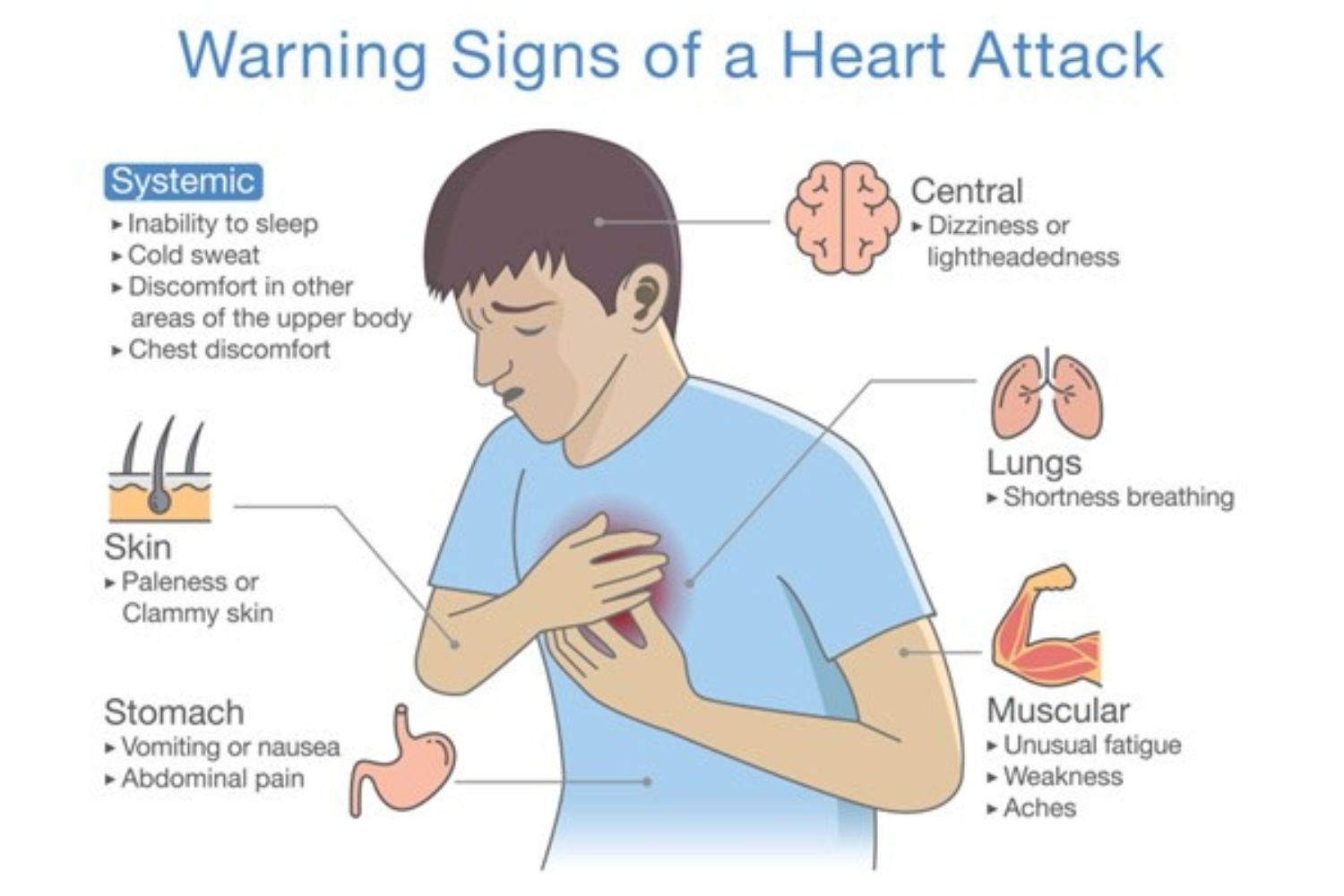
Section 4: Silent Warning Symptoms (Do NOT Ignore)
- Chest heaviness during exertion
- Breathlessness on stairs
- Sudden sweating without fever
- Unexplained fatigue
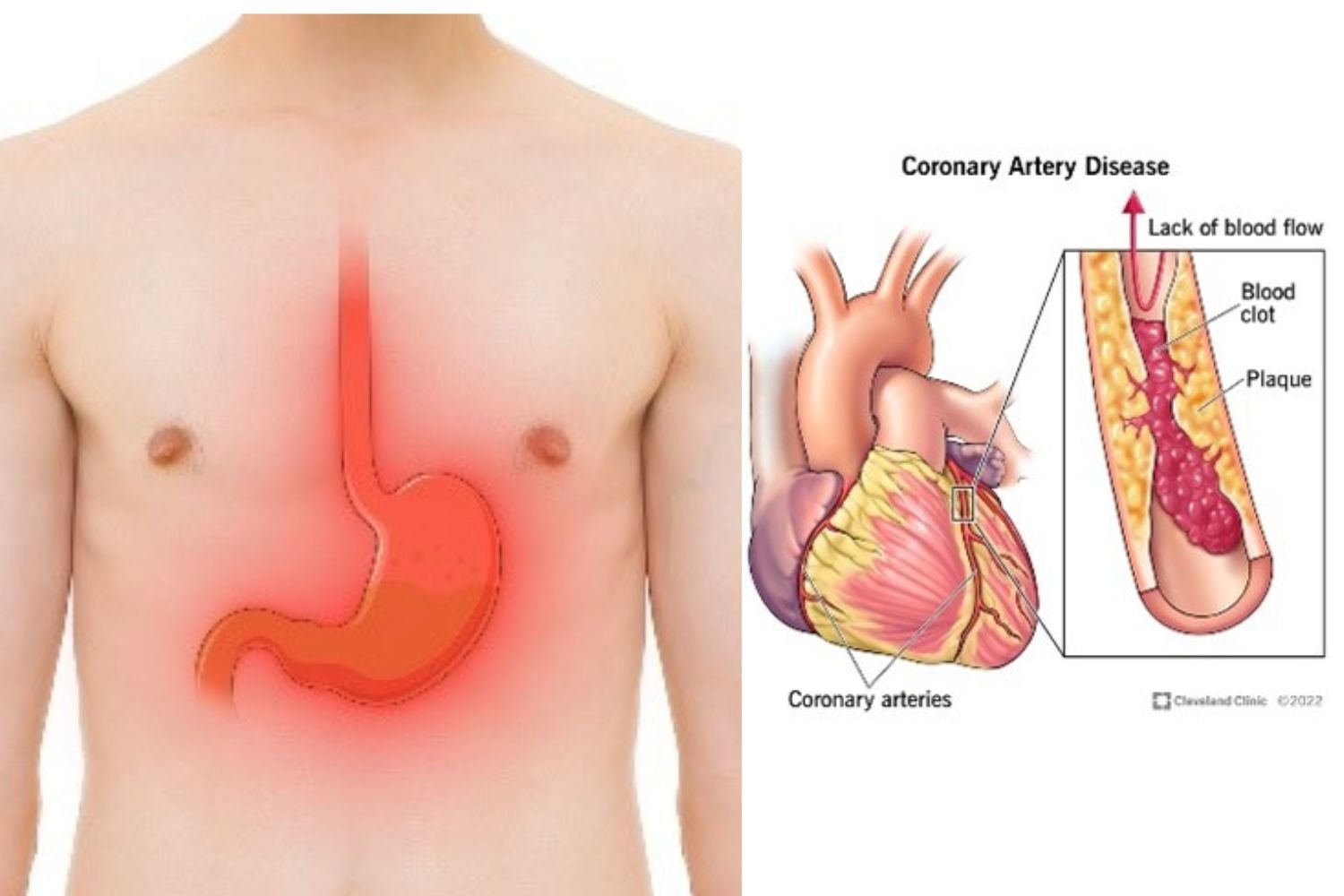
- Indigestion-like discomfort during stress
- Jaw, neck, or arm discomfort
- Symptoms + risk factors = evaluation required.
Risk Scoring
Count Total Ticks:
0–3 → Low Immediate Concern
Maintain preventive lifestyle.
4–6 → Moderate Risk
Cardiac evaluation recommended.
7+ → High Risk
Do not delay structured assessment.
⚠️ If symptoms are present, evaluation is advised regardless of score.
When Was Your Last Cardiac Check?
- Never
- More than 3 years ago
- 1–3 years ago
- Within 12 months
- If you are over 40 and have not had an evaluation in 2–3 years, you likely have a screening gap.
What This Checklist Does NOT Replace
This is a screening guide. It does NOT replace:
- Clinical examination
- ECG
- Echocardiography
- Blood tests
- Cardiologist consultation
Structured risk assessment is more accurate than self-screening.
Take Control Before Symptoms Take Control
If your score suggests moderate or high risk, consider a structured Preventive Heart Evaluation.
Early detection prevents:
- Major heart attacks
- Emergency hospitalisation
- Permanent heart muscle damage
Dr. Ashish Jai Kishan
Senior consultant cardiologist
- Hospital: Fortis Escorts Heart Institute, Okhla, New Delhi
- Appointments: 9990492906
- Book Online: drashishjaikishan.com