Heart Attack Myth Busters: Common Cardiac Myths You Must Stop Believing
Heart attack myths can delay treatment and cost lives. Learn the truth behind common cardiac misconceptions and warning signs.
- Misinformation about heart attacks is dangerous.
- In urban India, many patients delay treatment because they believe outdated myths.
- Let’s break them down — clearly and clinically.
Myth 1: “Heart attacks always cause severe chest pain.”
- Question: Is severe crushing chest pain the only symptom of a heart attack?
- Answer: No.
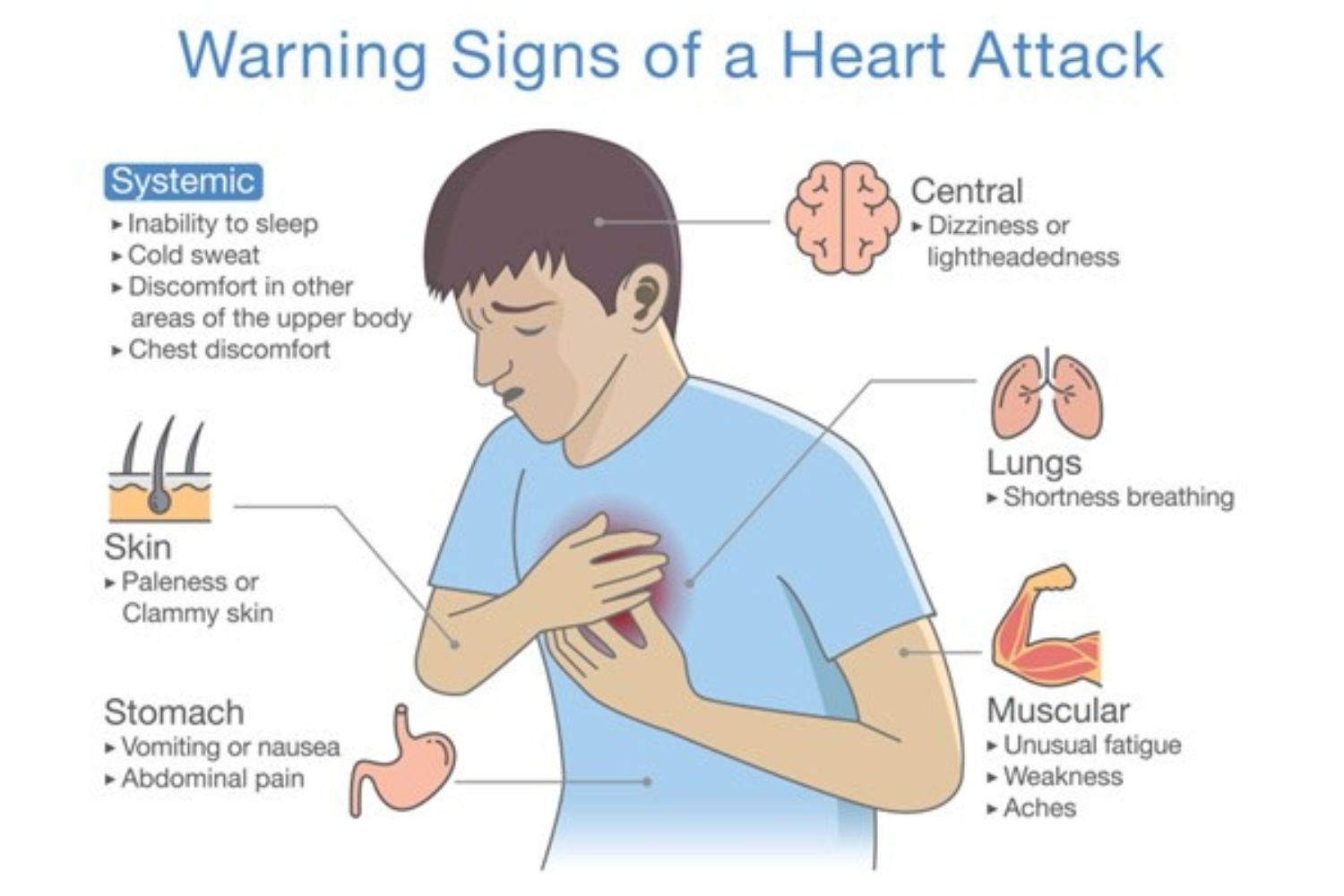
- Pressure or heaviness
- Breathlessness
- Unusual fatigue
- Sweating
- Jaw or arm discomfort
In diabetics and women, symptoms may be subtle.
Relying only on “severe chest pain” delays diagnosis.
Myth 2: “If I am young, I cannot have a heart attack.”
- Question: Can people under 40 have heart attacks?
- Answer: Yes. Increasingly common.
Urban risk factors include:
- Smoking
- Stress
- Sedentary lifestyle
- High triglycerides
- Undiagnosed diabetes
Heart attack symptoms in India are now frequently seen in 30–45 age group.
Age does not eliminate risk.
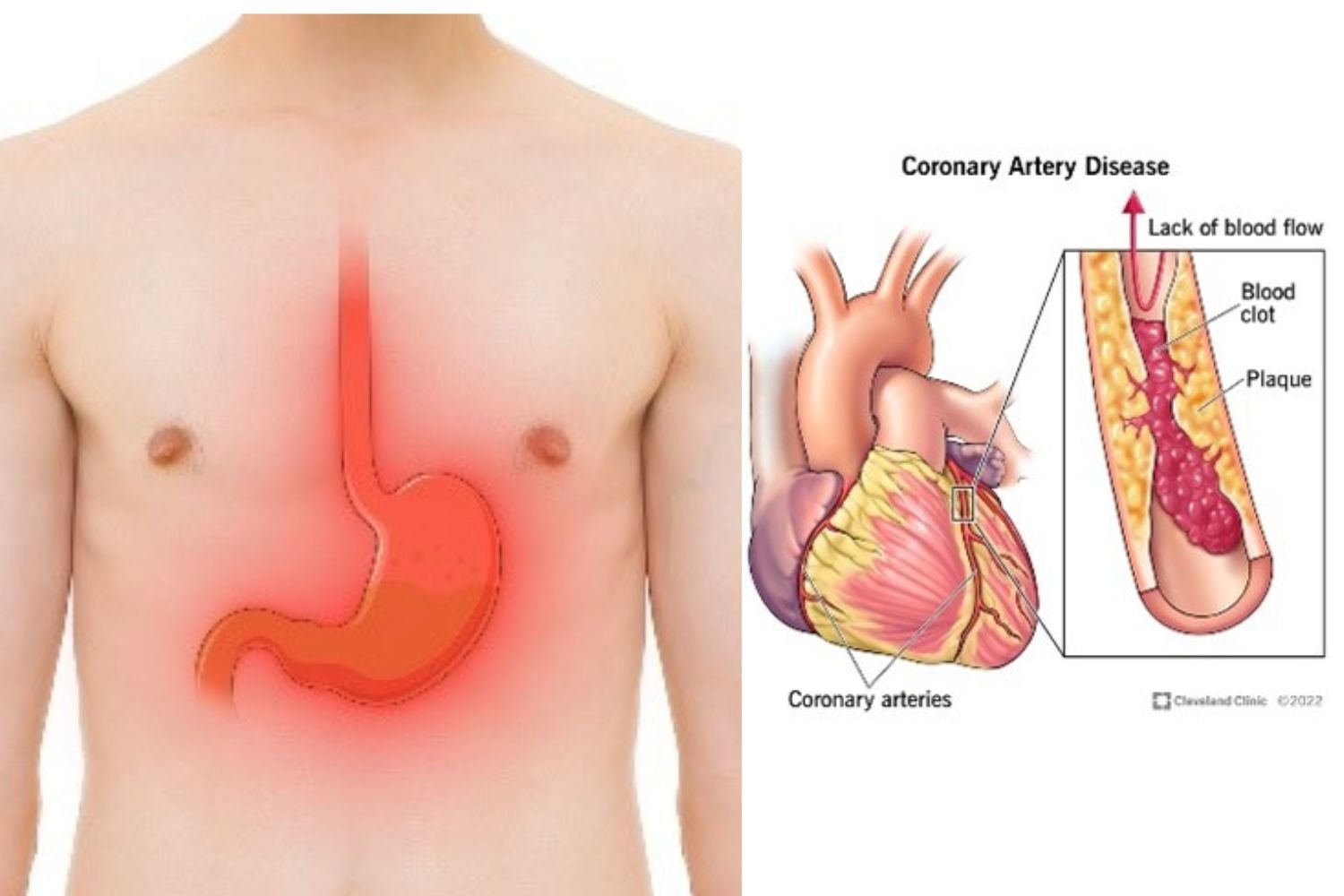
Myth 3: “If chest pain improves after antacid, it’s not cardiac.”
- Question: Can acidity relief rule out heart attack?
- Answer: No.
Some cardiac pain temporarily improves and returns later.
Heart attack vs gas pain can overlap. That is why evaluation matters.
If discomfort lasts more than 10–15 minutes or is associated with sweating or breathlessness, it must be assessed medically.
Myth 4: “Normal ECG means my heart is fine.”
- Question: Can a single normal ECG rule out heart disease?
- Answer: No.
Early heart attacks may show:
- Normal ECG initially
- Subtle changes
- Delayed enzyme rise
Diagnosis may require:
- Repeat ECG
- Troponin blood test
- Echocardiography
- Further imaging if indicated
Clinical evaluation is more important than a single report.
Myth 5: “Women don’t get heart attacks like men.”
- Question: Are heart attack symptoms different in women?
- Answer: Yes, often.
Women may experience:
- Fatigue
- Nausea
- Breathlessness
- Jaw or back pain
Because symptoms are atypical, delays are common.
Cardiovascular disease is a leading cause of death in women.
Myth 6: “If I exercise occasionally, I am protected.”
- Question: Does occasional gym activity eliminate heart risk?
- Answer: No.
Risk depends on:
- Blood pressure
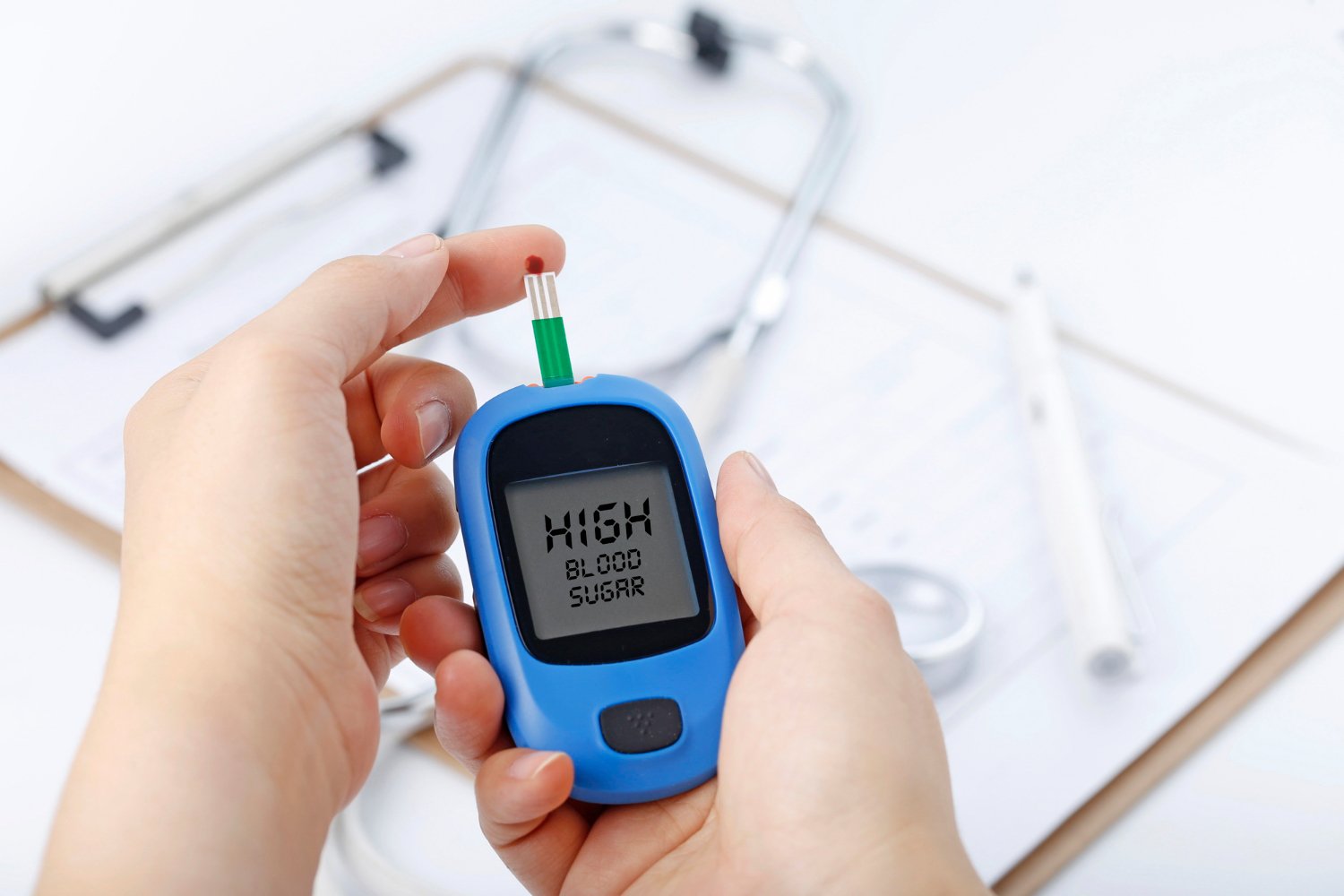
- Blood sugar
- Cholesterol levels
- Smoking status
- Family history
- Body composition
Fitness does not replace medical risk assessment.
Myth 7: “Heart disease only affects people with symptoms.”
- Question: Can heart disease exist without symptoms?
- Answer: Yes.
Silent heart disease is common in:
- Diabetics
- Hypertensive patients
- Smokers
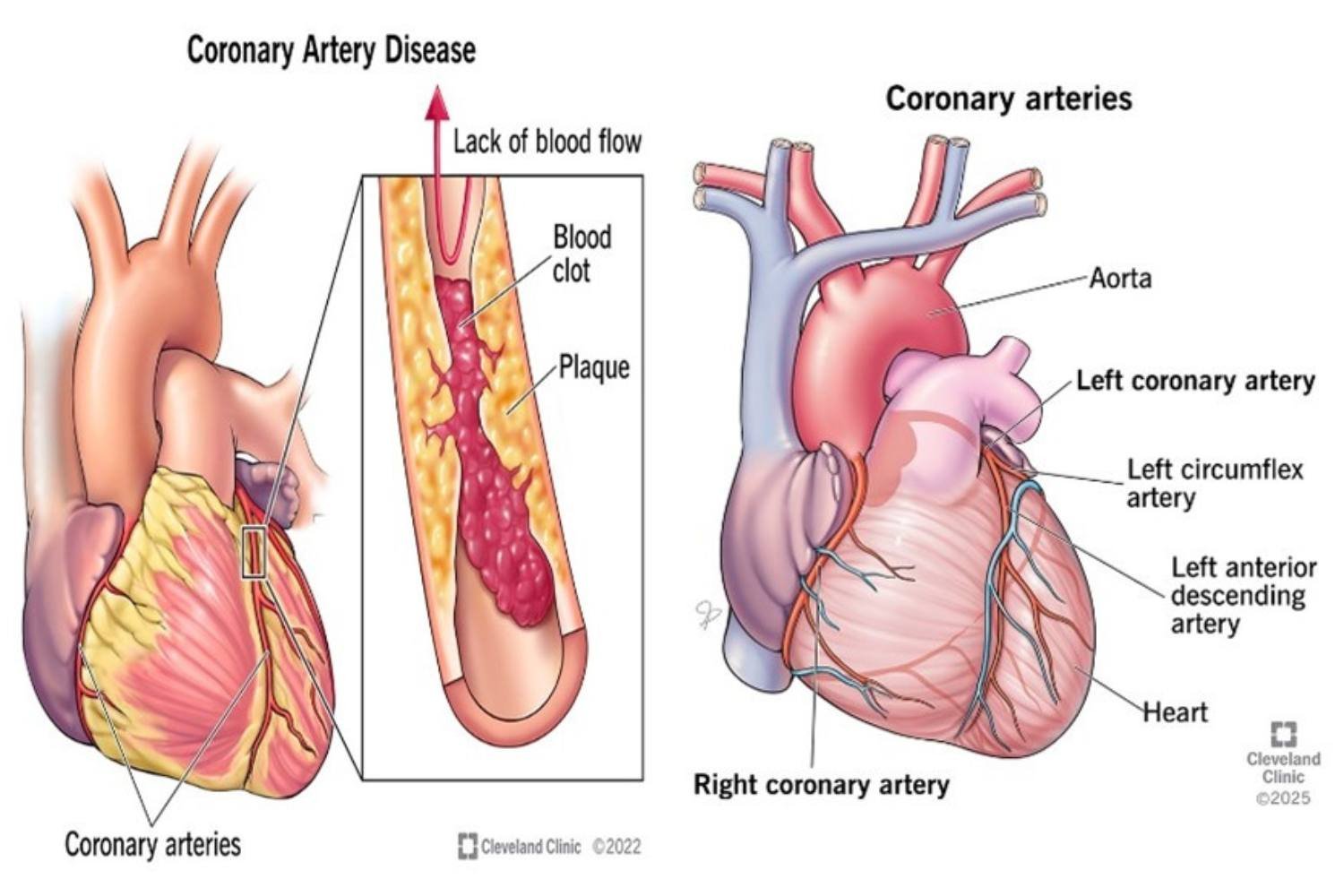
Many patients discover blockages only after a major event.
Preventive screening detects risk before catastrophe.
What Actually Prevents Heart Attacks?
- Regular BP monitoring
- Lipid profile evaluation
- Diabetes screening
- Weight management
- Smoking cessation
- Structured cardiac evaluation when symptoms arise
Prevention is not guesswork. It is systematic.
When Should You Seek Immediate Care?
Seek urgent evaluation if you experience:
- Chest discomfort lasting more than 15 minutes
- Sweating without fever
- Sudden breathlessness
- Pain radiating to arm, jaw, or back
- Symptoms that feel “different” from usual acidity
Do not delay.
Frequently Asked Questions:
Yes. They cause delayed treatment and increase mortality.
Yes. Especially in women and diabetics.
Yes. Many risk factors are silent.
If risk factors exist, yes.
Final Takeaway
Most heart attack deaths are not due to lack of treatment.
They are due to delayed recognition.
Misinformation is the real danger.
If you are above 35 with cardiovascular risk factors, structured cardiac assessment is far safer than emergency intervention.
For Comprehensive Cardiac Evaluation
Dr. Ashish Jai Kishan
Senior consultant cardiologist
- Hospital: Fortis Escorts Heart Institute, Okhla, New Delhi
- Appointments: 9990492906
- Book Online: drashishjaikishan.com