Cholesterol Myth Busters: What Most People Get Wrong About Cholesterol
- Cholesterol is one of the most misunderstood topics in heart health.
- Some people fear it excessively.
- Others ignore it completely.
- Both extremes are dangerous.
- Let’s separate facts from fiction.
Myth 1: “All cholesterol is bad.”
- Question: Is all cholesterol harmful?
- Answer: No.
Cholesterol is essential for:
- Cell membrane structure
- Hormone production
- Vitamin D synthesis
The problem is not cholesterol itself — it is imbalance.
Two important types:
- LDL (Low-Density Lipoprotein) → “Bad” cholesterol
- HDL (High-Density Lipoprotein) → “Good” cholesterol
High LDL increases heart attack risk.
Adequate HDL is protective.
Balance matters.
Myth 2: “If I am thin, I cannot have high cholesterol.”
- Question: Can slim individuals have high cholesterol?
- Answer: Yes
Cholesterol levels depend on:
- Genetics
- Diet quality
- Physical activity
- Metabolic health
Many urban professionals with normal body weight have elevated LDL due to genetic predisposition.
Body size does not guarantee normal lipid profile.
Myth 3: “I exercise, so I don’t need to check cholesterol.”
- Question: Does regular gym activity eliminate cholesterol risk?
- Answer: No.
Exercise improves HDL and reduces triglycerides.
But LDL may still remain high due to genetic factors.
Regular lipid profile testing is essential — especially after 30.
Myth 4: “Statins damage the liver.”
- Question: Are cholesterol medications unsafe?
- Answer: Statins are among the most studied drugs in cardiovascular medicine.
When prescribed appropriately:
- They significantly reduce heart attack risk
- Serious side effects are uncommon
- Liver enzymes are monitored
The risk of uncontrolled high LDL is far greater than the risk of properly supervised statin therapy.
Myth 5: “If I feel fine, my cholesterol must be normal.”
- Question: Does high cholesterol cause symptoms?
- Answer: No.
High cholesterol is silent.
There is:
- No pain
- No warning
- No early symptom
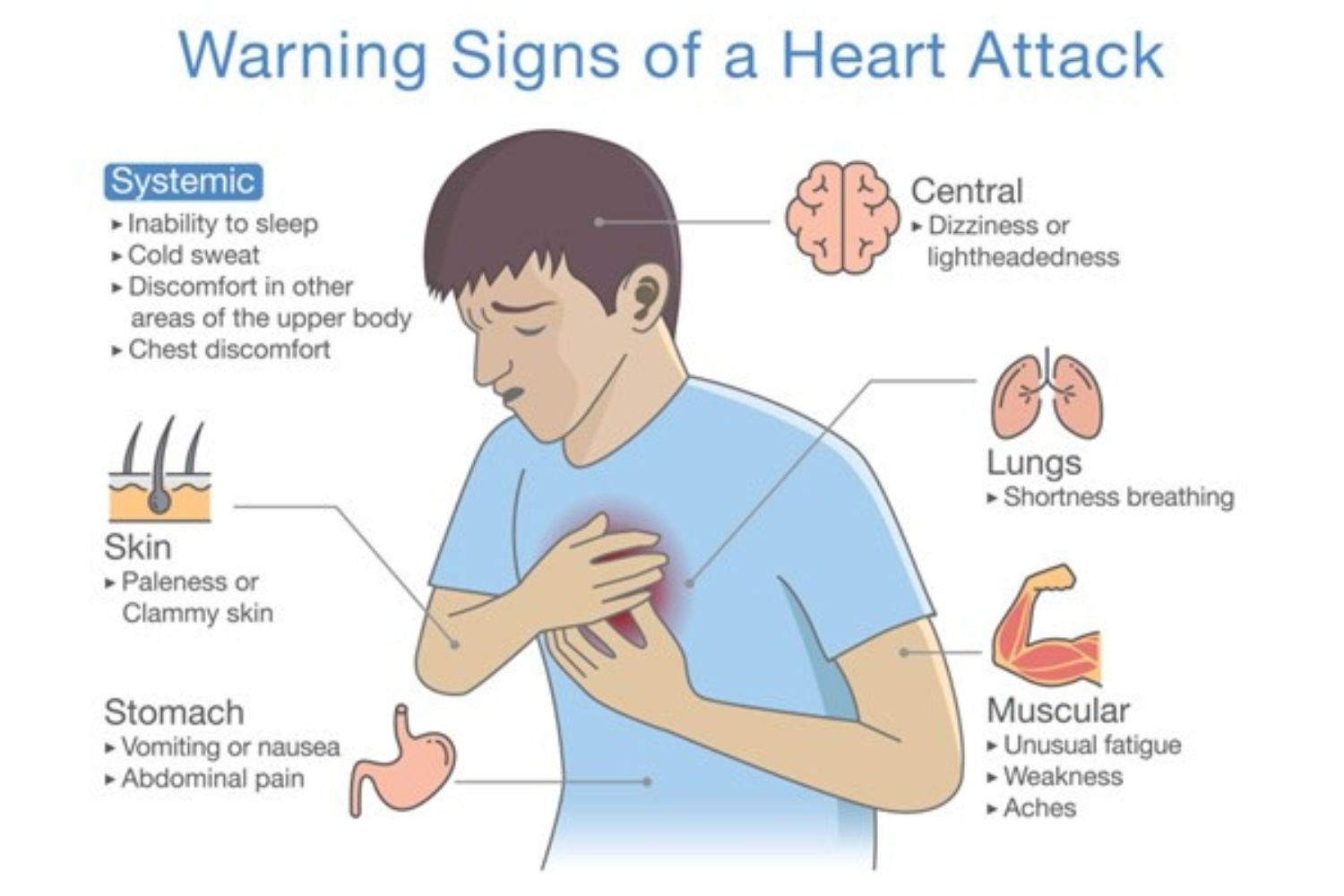
The first presentation may be:
- Heart attack
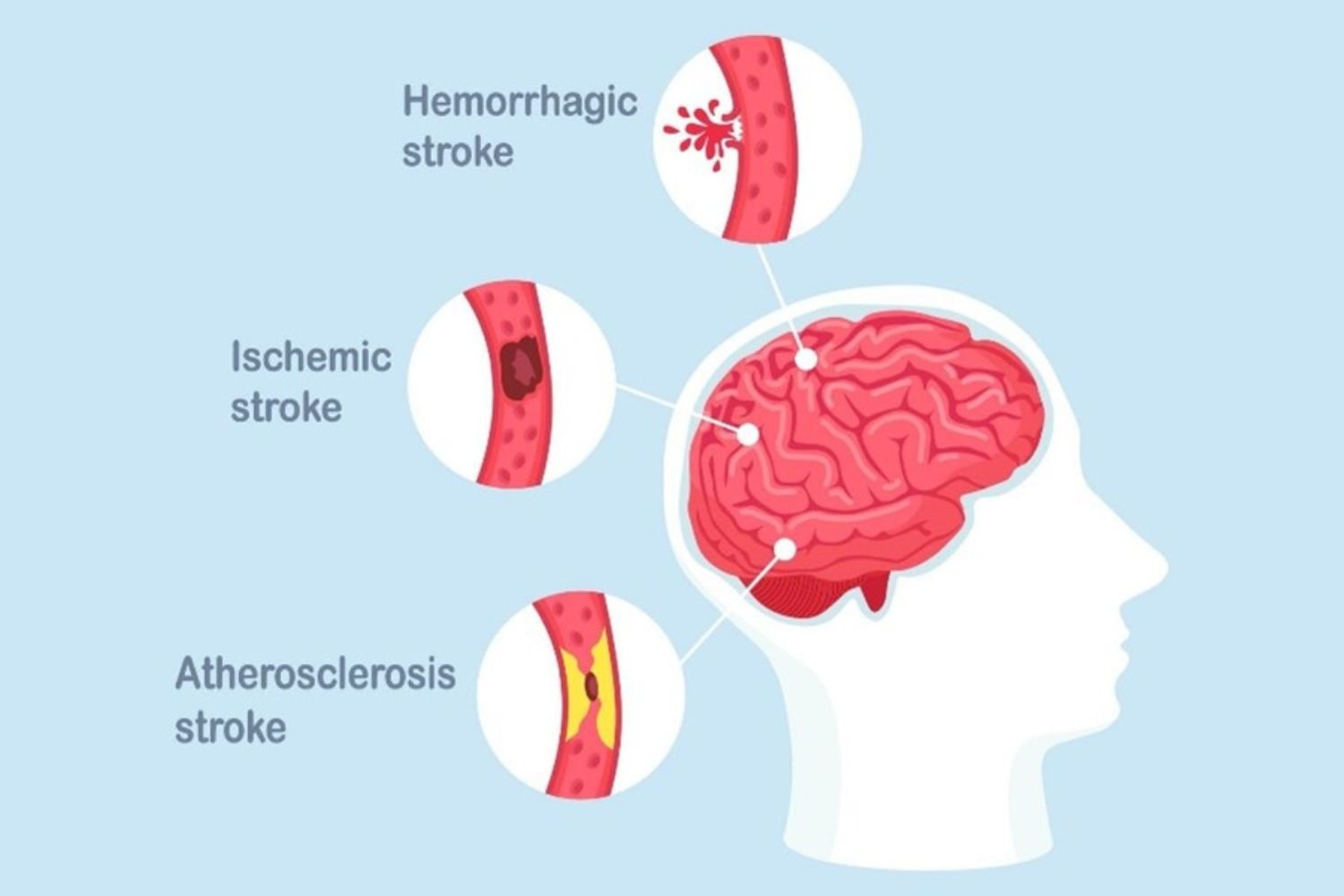
- Stroke
- Peripheral artery disease
Routine screening prevents surprises.
Myth 6: “Diet alone can fix high cholesterol.”
- Question: Can lifestyle changes completely replace medication?
- Answer: Depends on the case.
Mild elevations may improve with:
- Weight loss
- Reduced saturated fat intake
- Increased fiber
- Regular exercise
However, in:
- Very high LDL
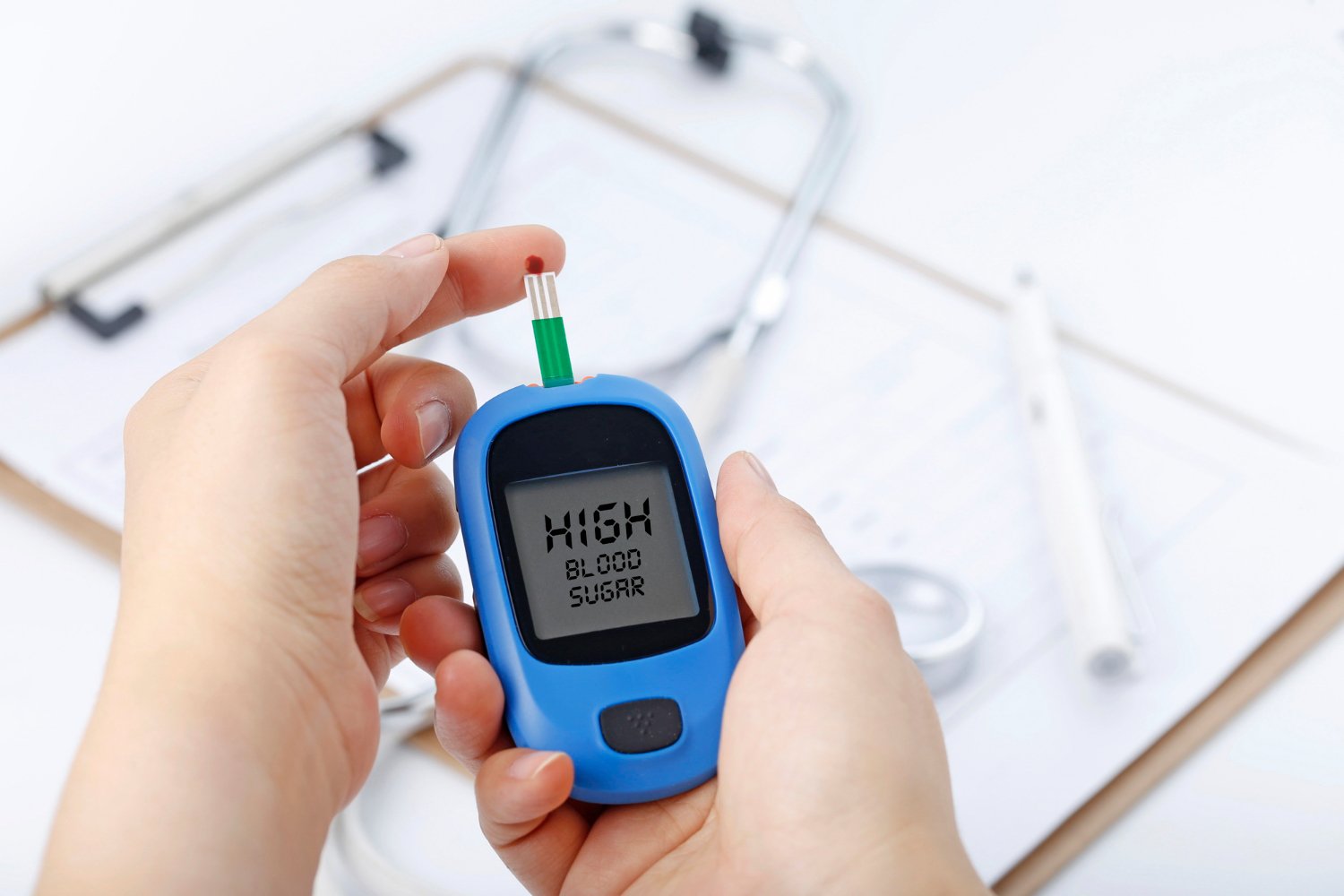
- Diabetics
- Patients with previous heart disease
Medication is often necessary.
Prevention strategy must be individualized.
Myth 7: “HDL cancels out high LDL.”
- Question: If my HDL is high, is LDL less dangerous?
- Answer: No.
- High HDL does not neutralize the damage caused by high LDL.
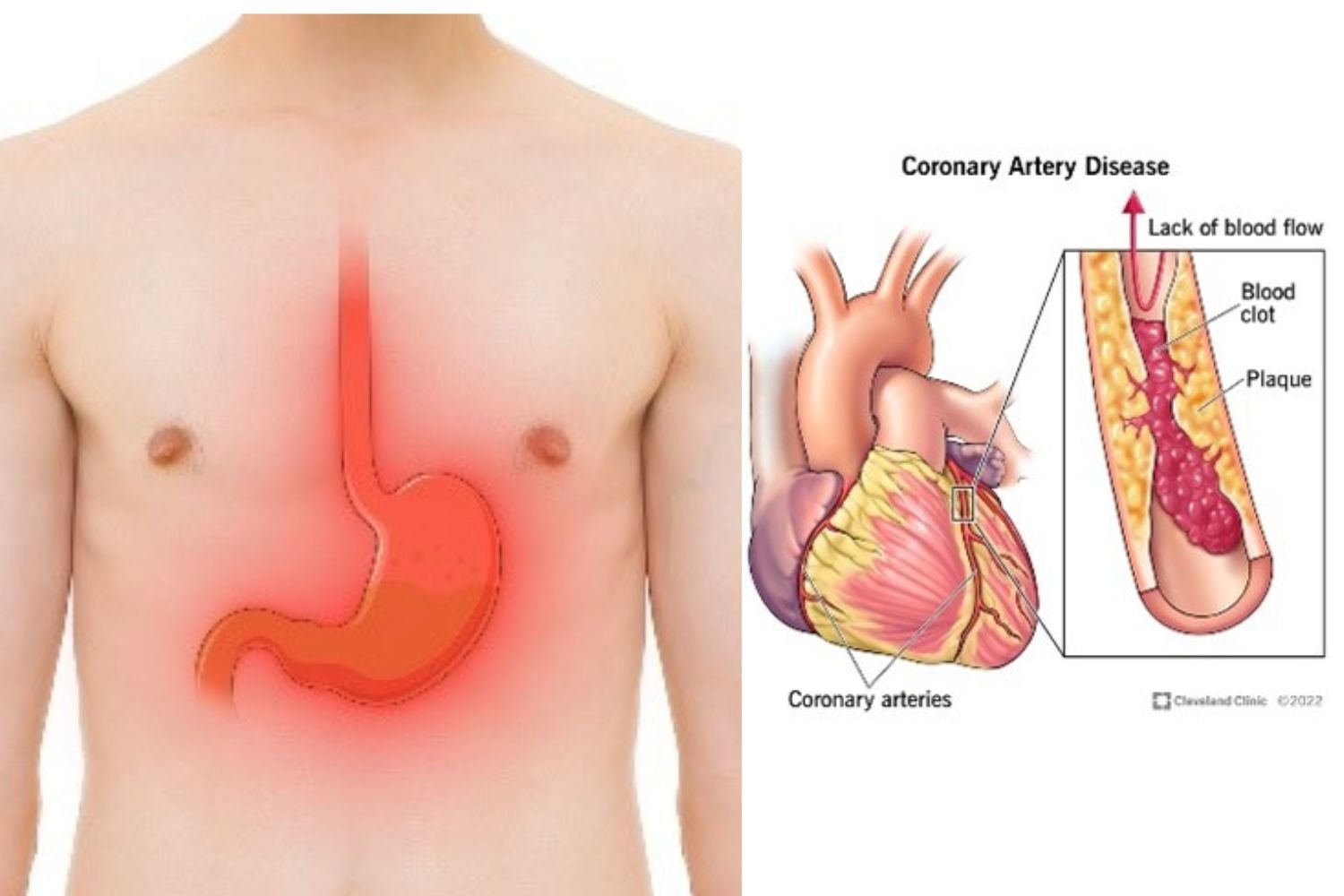
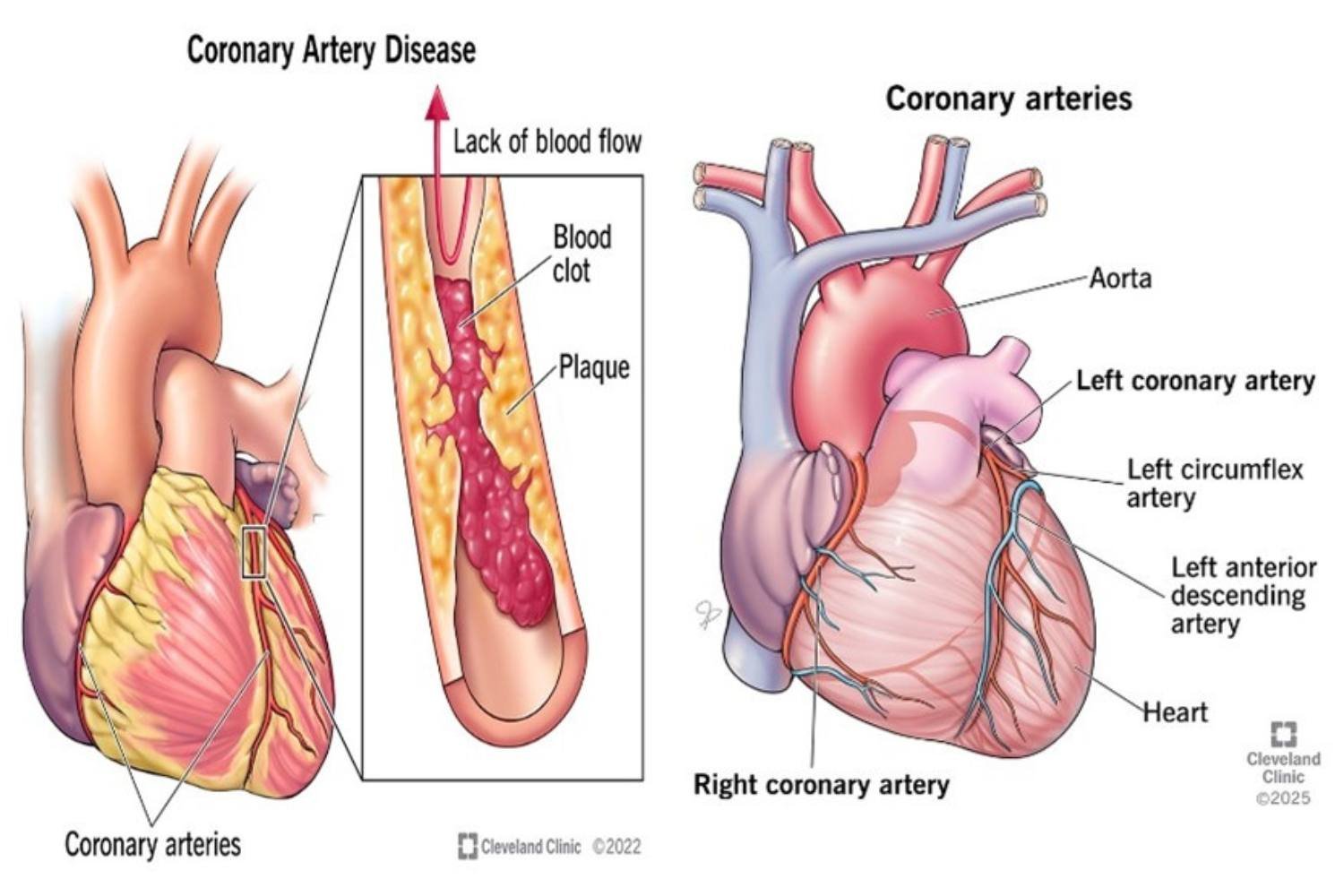
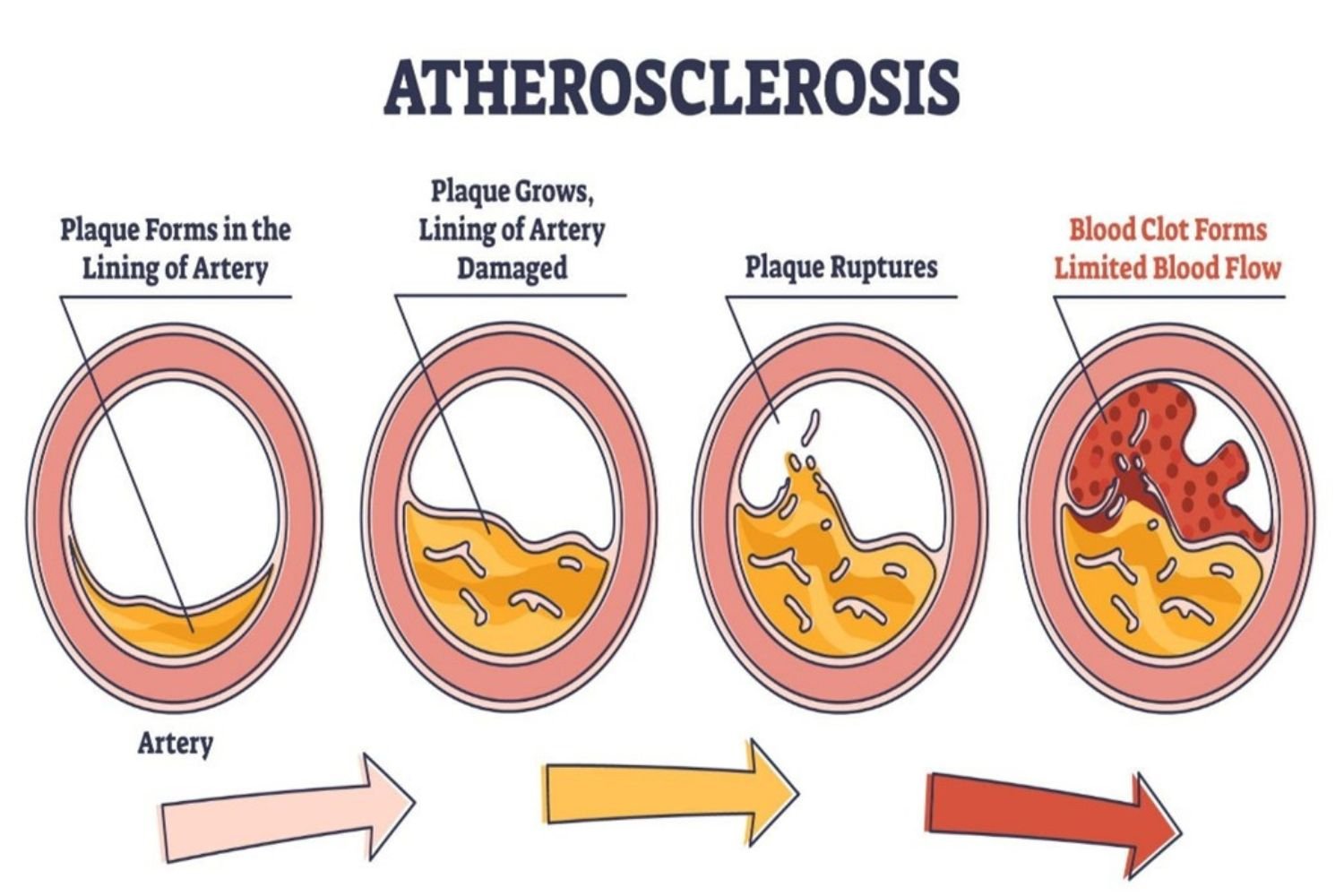
- LDL particles deposit in arterial walls, leading to plaque formation and blockage.
- LDL control remains the primary target in preventing heart attack.
Myth 8: “Cholesterol only affects the heart.”
- Question: Can high cholesterol affect other organs?
- Answer: Yes.
High LDL contributes to:
- Coronary artery disease
- Stroke (carotid artery blockage)
- Peripheral arterial disease
- Kidney vascular damage
Cholesterol is a systemic vascular issue — not just a heart problem.
What Should You Actually Monitor?
A complete lipid profile includes:
- Total cholesterol
- LDL
- HDL
- Triglycerides
For high-risk individuals, additional markers may be evaluated.
Target LDL levels vary depending on risk category.
Lower LDL = lower cardiovascular risk.
When Should You Check Cholesterol?
Recommended:
- After age 30 (baseline)
- Earlier if family history exists
- Every 1–3 years depending on risk
- More frequently in diabetics or known heart disease patients
Frequently Asked Questions:
Target depends on risk. For high-risk patients, lower than 70 mg/dL is often recommended.
Yes. Familial hypercholesterolemia is common and underdiagnosed.
Dietary cholesterol has less impact than saturated fats and genetics.
Aggressive risk control can stabilize and sometimes regress plaque progression.
Final Takeaway
High cholesterol does not cause pain.
It causes blockage.
The damage is silent — until it becomes catastrophic.
Routine screening, structured risk assessment, and appropriate treatment significantly reduce heart attack and stroke risk.
If you are above 30 or have cardiovascular risk factors, lipid evaluation is essential.
Prevention is always safer than intervention.
For Comprehensive Cardiac Evaluation
Dr. Ashish Jai Kishan
Senior consultant cardiologist
- Hospital: Fortis Escorts Heart Institute, Okhla, New Delhi
- Appointments: 9990492906
- Book Online: drashishjaikishan.com