Diabetes & Heart Disease Myth Busters: The Dangerous Truth Most Patients Don’t Know
- Diabetes does not just affect blood sugar.
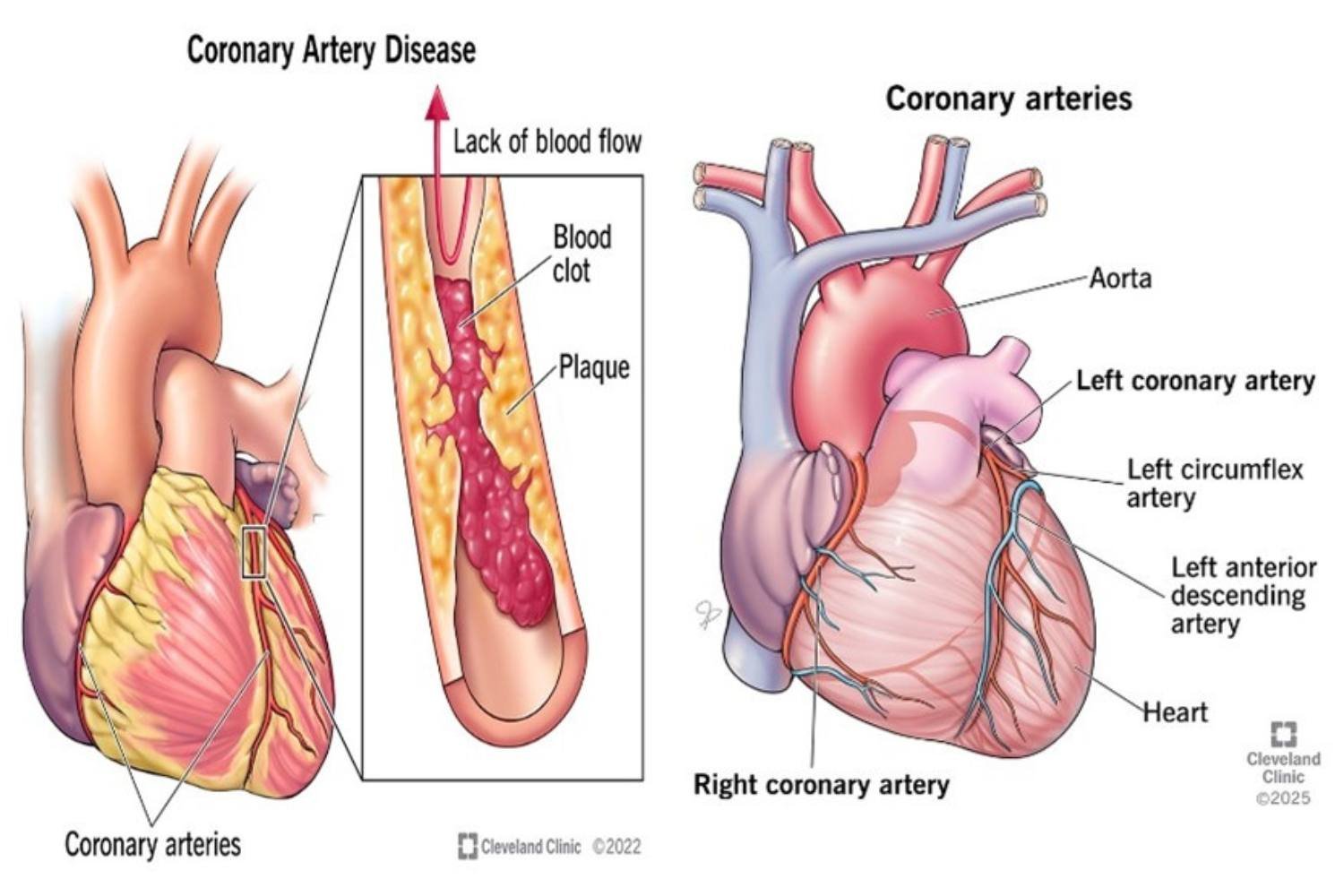
- It damages blood vessels.
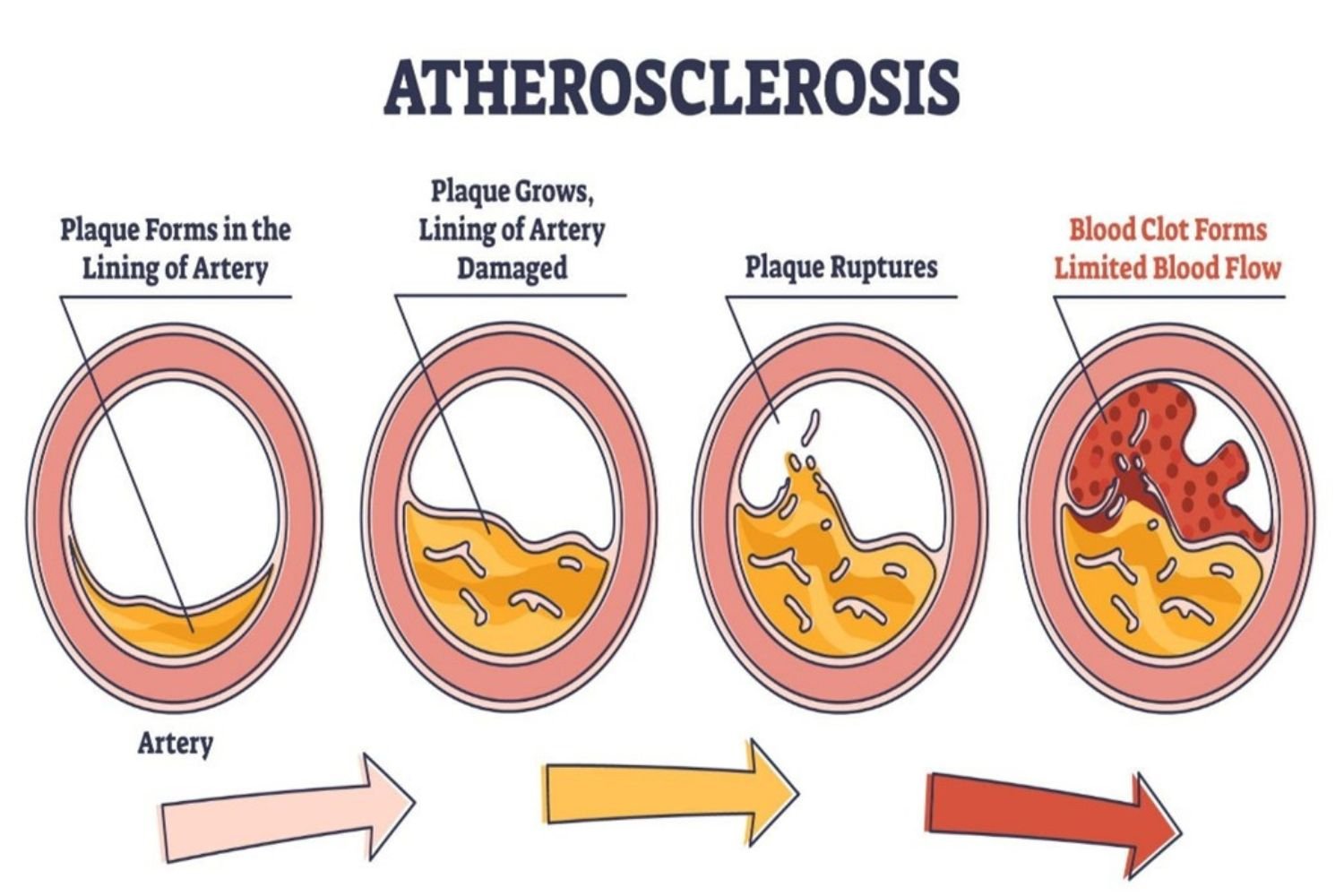
- It accelerates plaque buildup.
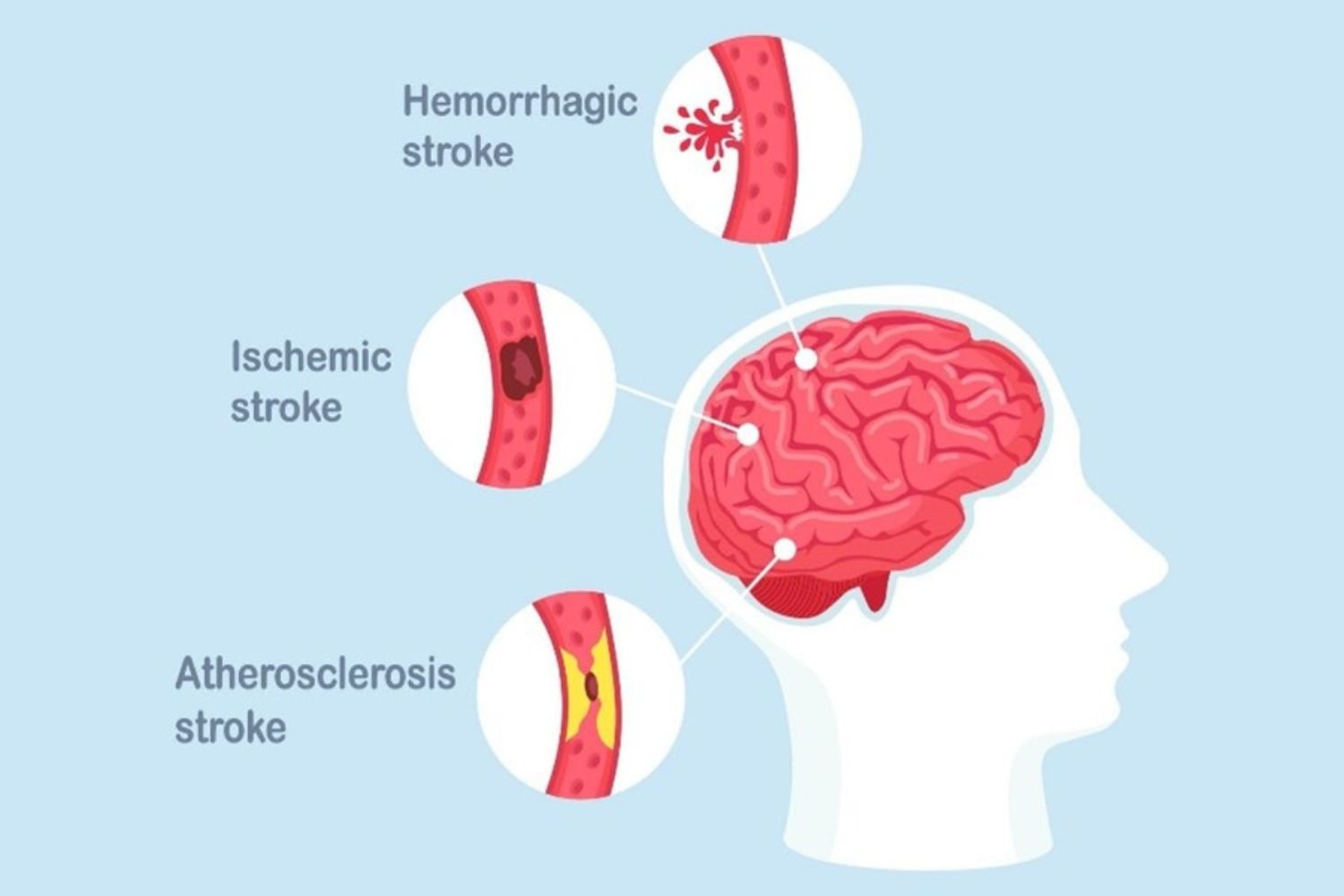
- It silently increases the risk of heart attack, stroke, and heart failure.
- Yet many patients underestimate the cardiac risk of diabetes.
Let’s break the myths.
Myth 1: “If my sugar is slightly high, it’s not dangerous.”
- Question: Does mild diabetes affect the heart?
- Answer: Yes.
- Damages arterial lining
- Increases inflammation
- Promotes plaque formation
- Accelerates atherosclerosis
Diabetes is considered a major cardiovascular risk equivalent.
Heart risk begins early — not after decades.
Myth 2: “Only long-standing diabetes causes heart problems.”
- Question: How quickly can diabetes affect the heart?
- Answer: Damage begins silently from early stages.
Many patients are diabetic for years before diagnosis.
By the time diabetes is detected:
- Arterial damage may already exist
- Cholesterol patterns may be abnormal
- Small vessel disease may have started
Early detection and aggressive control are essential.
Myth 3: “If I don’t have chest pain, my heart is fine.”
- Question: Are heart attack symptoms different in diabetics?
- Answer: Yes.
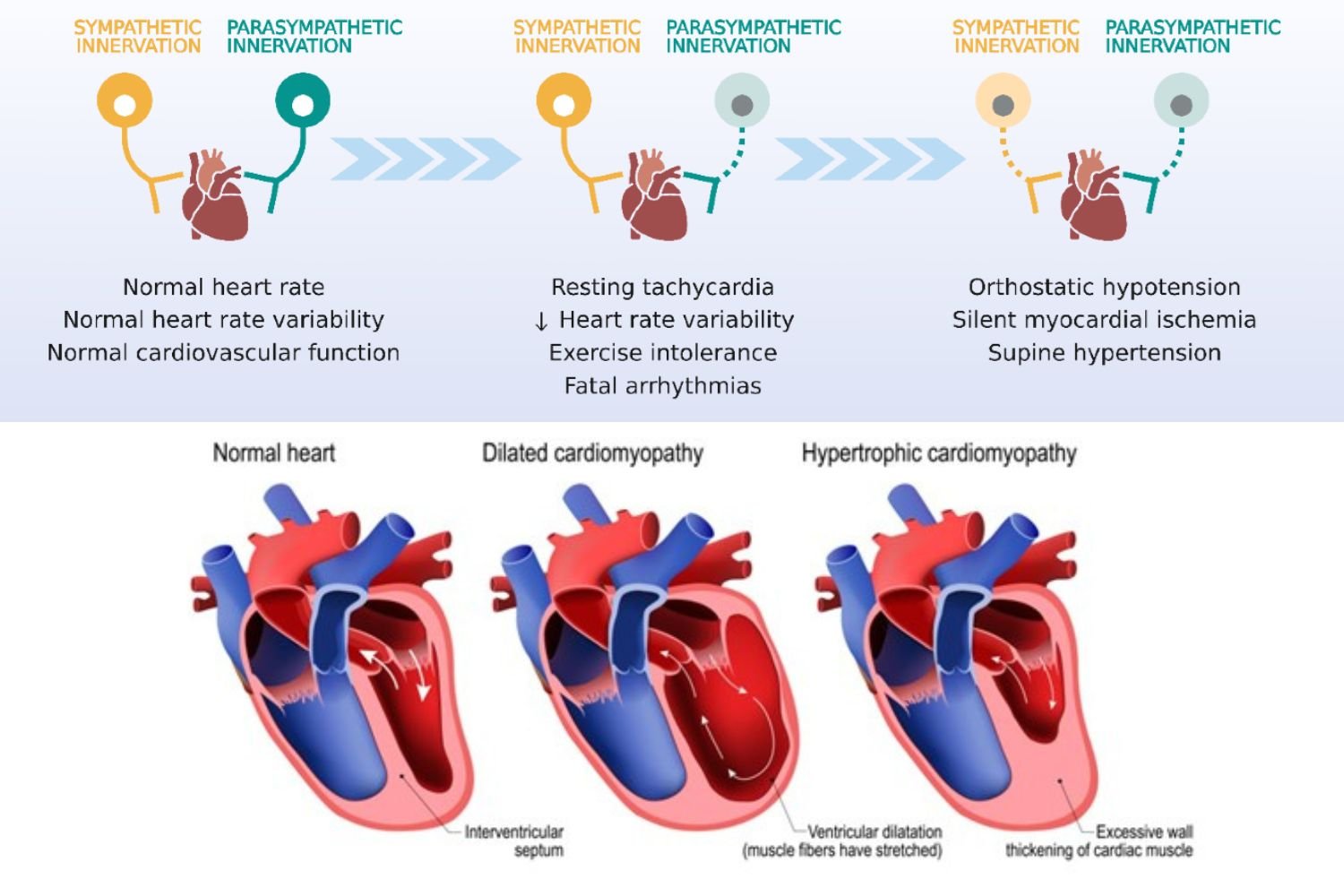
Diabetics often develop nerve dysfunction.
This may blunt classic chest pain.
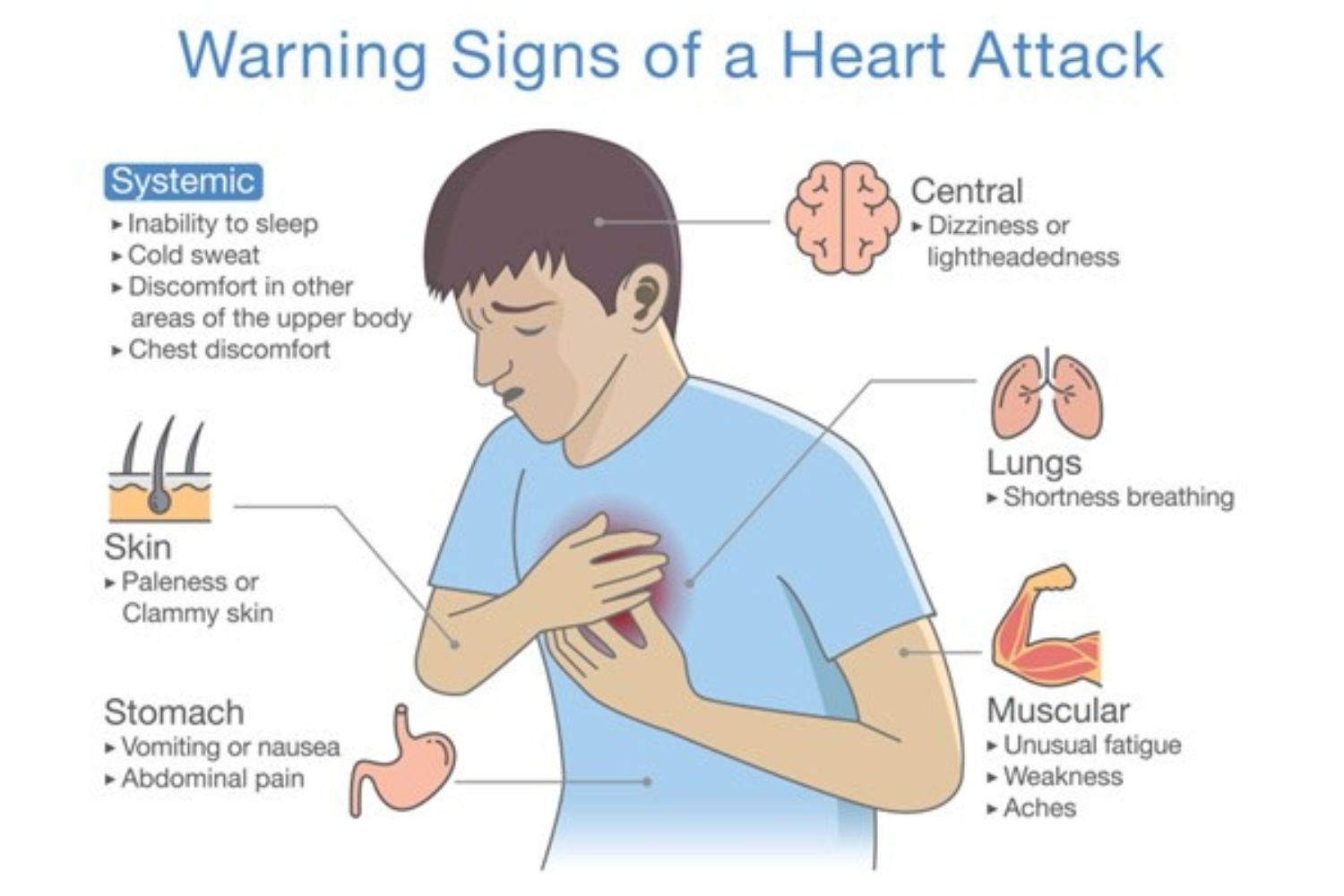
Instead, symptoms may include:
- Breathlessness
- Sudden fatigue
- Sweating
- Nausea
- Light headedness
This is why silent heart attack is more common in diabetes.
Myth 4: “If I take diabetes medicine, I’m protected.”
- Question: Does sugar control eliminate heart risk?
- Answer: Not completely.
Comprehensive risk control requires:
- LDL cholesterol management
- Blood pressure control
- Weight optimization
- Smoking cessation
- Antiplatelet therapy (when indicated)
Diabetes is one part of the cardiovascular risk equation.
Myth 5: “I am young, so diabetes won’t affect my heart yet.”
- Question: Can young diabetics develop heart disease?
- Answer: Yes — and earlier than non-diabetics.
Urban lifestyle factors amplify risk:
- Sedentary work
- Processed food
- Stress
- Central obesity
Heart attacks in 35–45 age group are increasingly linked to poorly controlled diabetes.
Age does not protect against metabolic damage.
Myth 6: “Normal ECG means no heart risk.”
- Question: Can diabetics have hidden coronary disease?
- Answer: Yes.
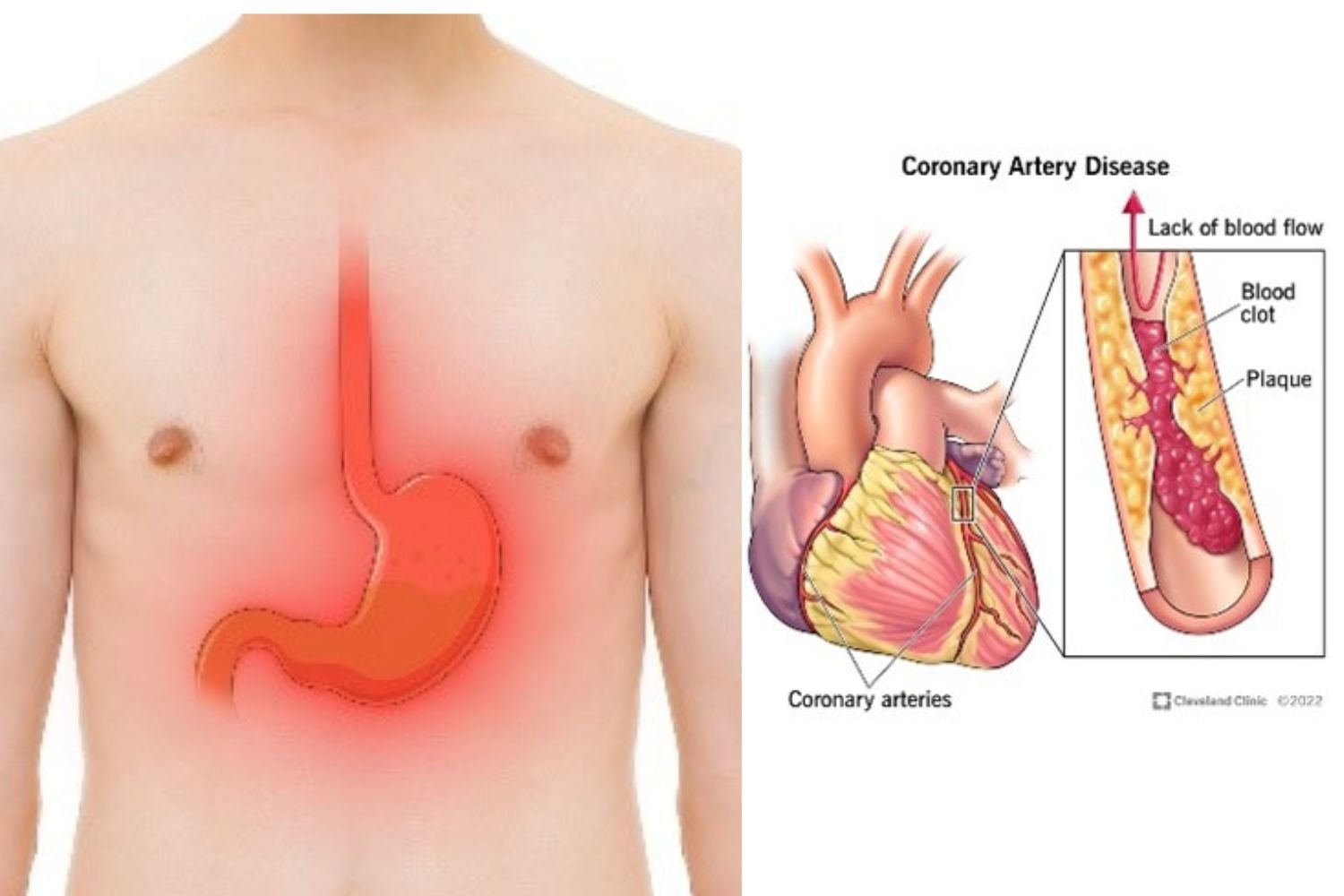
ECG may remain normal even with significant blockages.
High-risk diabetics may require:
- Stress testing
- Echocardiography
- Coronary imaging when indicated
Risk stratification must be individualized.
Myth 7: “If I feel fine, I don’t need cardiac screening.”
- Question: Should asymptomatic diabetics undergo heart evaluation?
- Answer: High-risk individuals should.
Risk depends on:
- Duration of diabetes
- HbA1c levels
- LDL levels
- Presence of hypertension
- Family history
Preventive cardiac assessment identifies risk before catastrophic events.
How Diabetes Damages the Heart
Chronic high blood sugar leads to:
- Endothelial dysfunction
- Accelerated plaque formation
- Small vessel disease
- Diabetic cardiomyopathy
- Increased clot formation tendency
The effect is systemic and progressive.
When Should a Diabetic See a Cardiologist?
Seek cardiac evaluation if:
- Diabetes duration >5 years
- HbA1c consistently elevated
- Coexisting hypertension
- High LDL cholesterol
- Family history of early heart disease
- Breathlessness or reduced exercise capacity
Early evaluation is safer than emergency intervention.
Frequently Asked Questions:
Yes — diabetes significantly increases cardiovascular risk.
Yes, but lipid and BP control are equally important.
Often yes — due to delayed recognition and silent symptoms.
In many cases, yes — based on risk category.
Final Takeaway
Diabetes is not just a sugar disorder.
It is a vascular disease.
The greatest danger is not high sugar today —
It is untreated cardiovascular risk tomorrow.
Structured risk assessment, aggressive lipid control, and early cardiac evaluation significantly reduce heart attack risk in diabetics.
If you are living with diabetes, cardiac prevention is not optional.
“Comprehensive cardiovascular risk assessment is especially important for patients with diabetes.”
For Comprehensive Cardiac Evaluation
Dr. Ashish Jai Kishan
Senior consultant cardiologist
- Hospital: Fortis Escorts Heart Institute, Okhla, New Delhi
- Appointments: 9990492906
- Book Online: drashishjaikishan.com