Hypertension myths can delay treatment and damage your heart. Learn the truth about high blood pressure symptoms, risks, and treatment.
High blood pressure (hypertension) is called the “silent killer” for a reason.
Most patients feel normal — until they don’t.
Urban lifestyle, stress, poor sleep, and metabolic disorders have made hypertension extremely common in 30–60 year olds.
Let’s break down the most dangerous myths.
Myth 1: “If I feel fine, my blood pressure is fine.”
- Question: Does hypertension always cause symptoms?
- Answer: No.
High blood pressure usually causes no symptoms.
You may feel perfectly normal while:
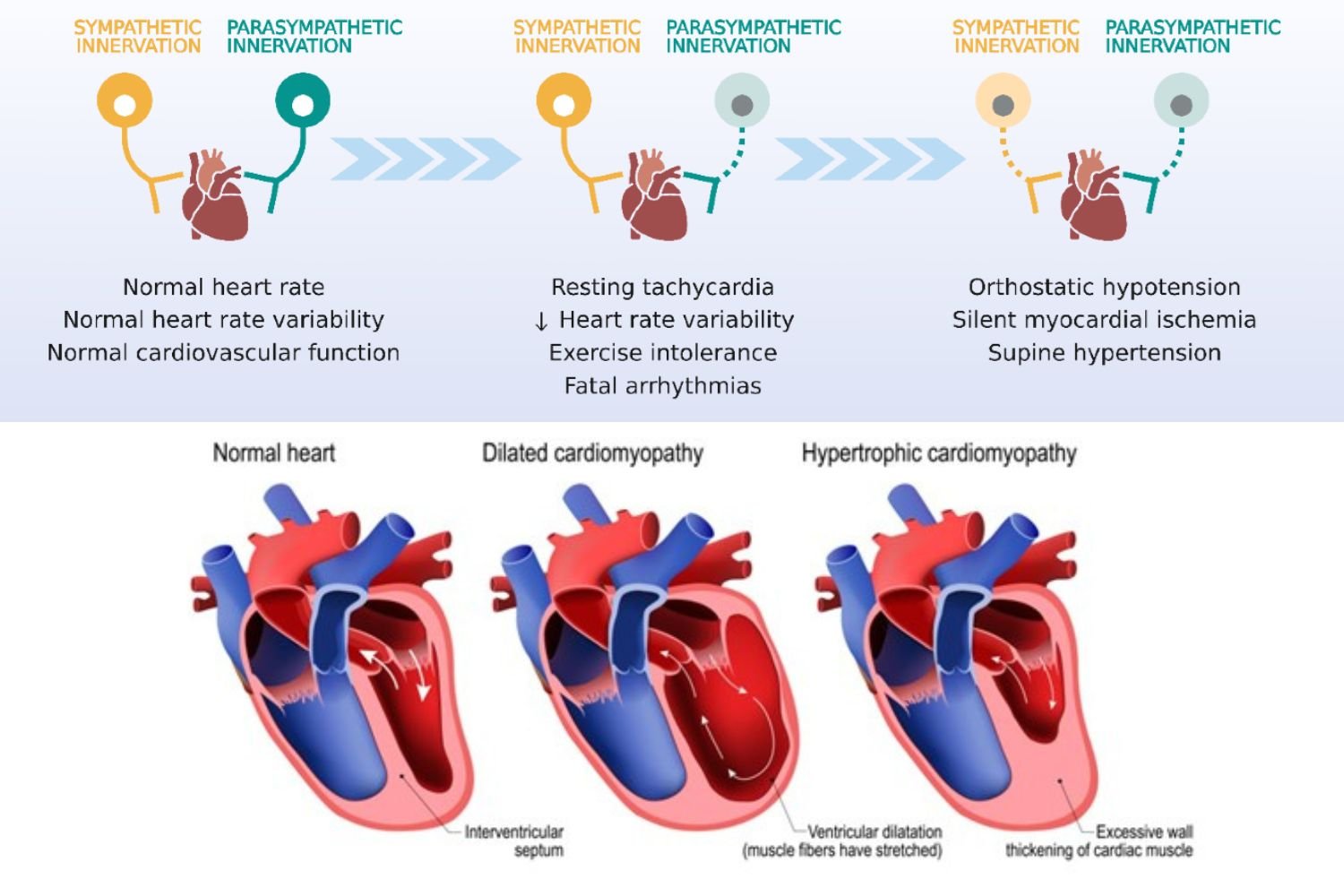
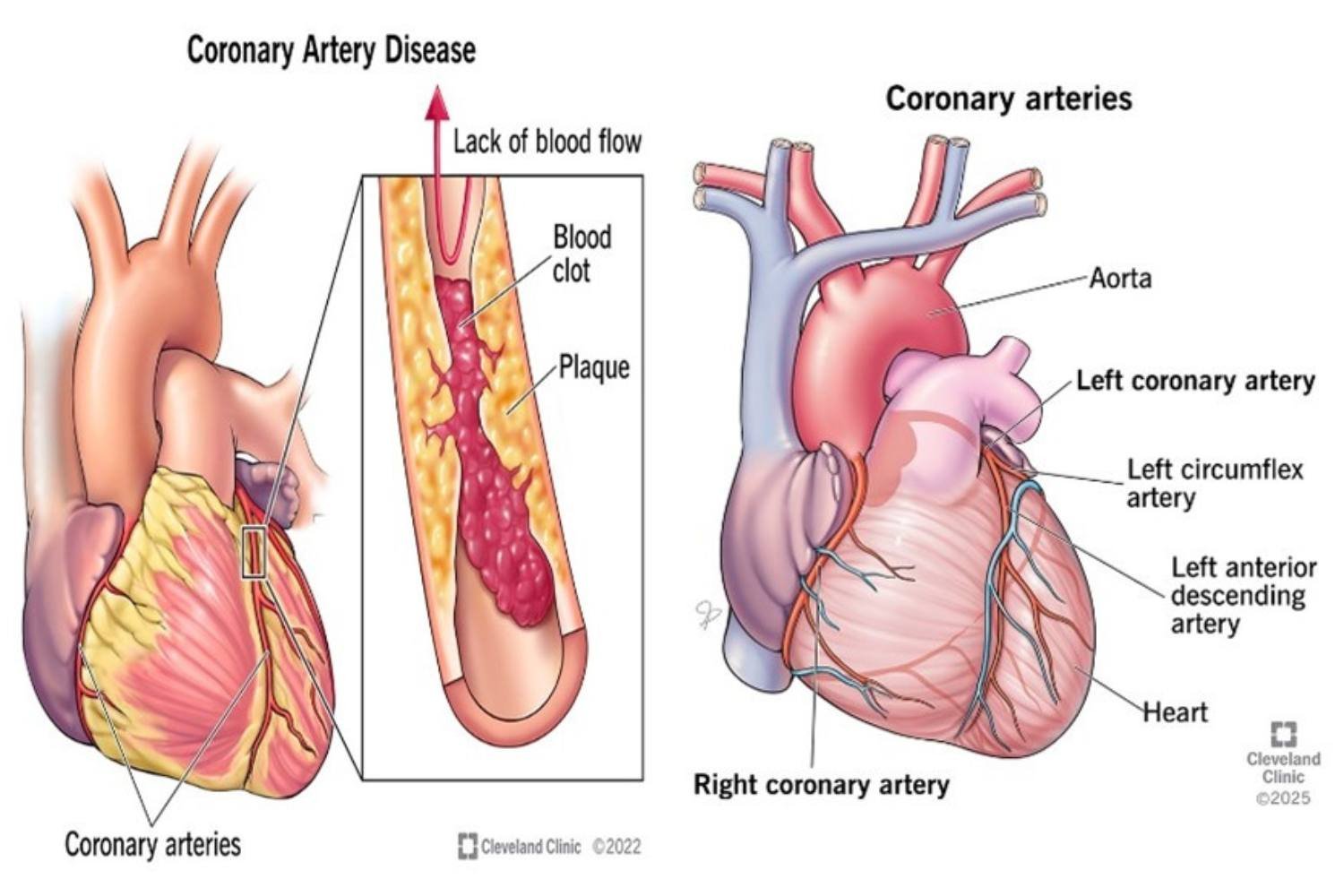
- Heart muscle thickens
- Kidney function declines
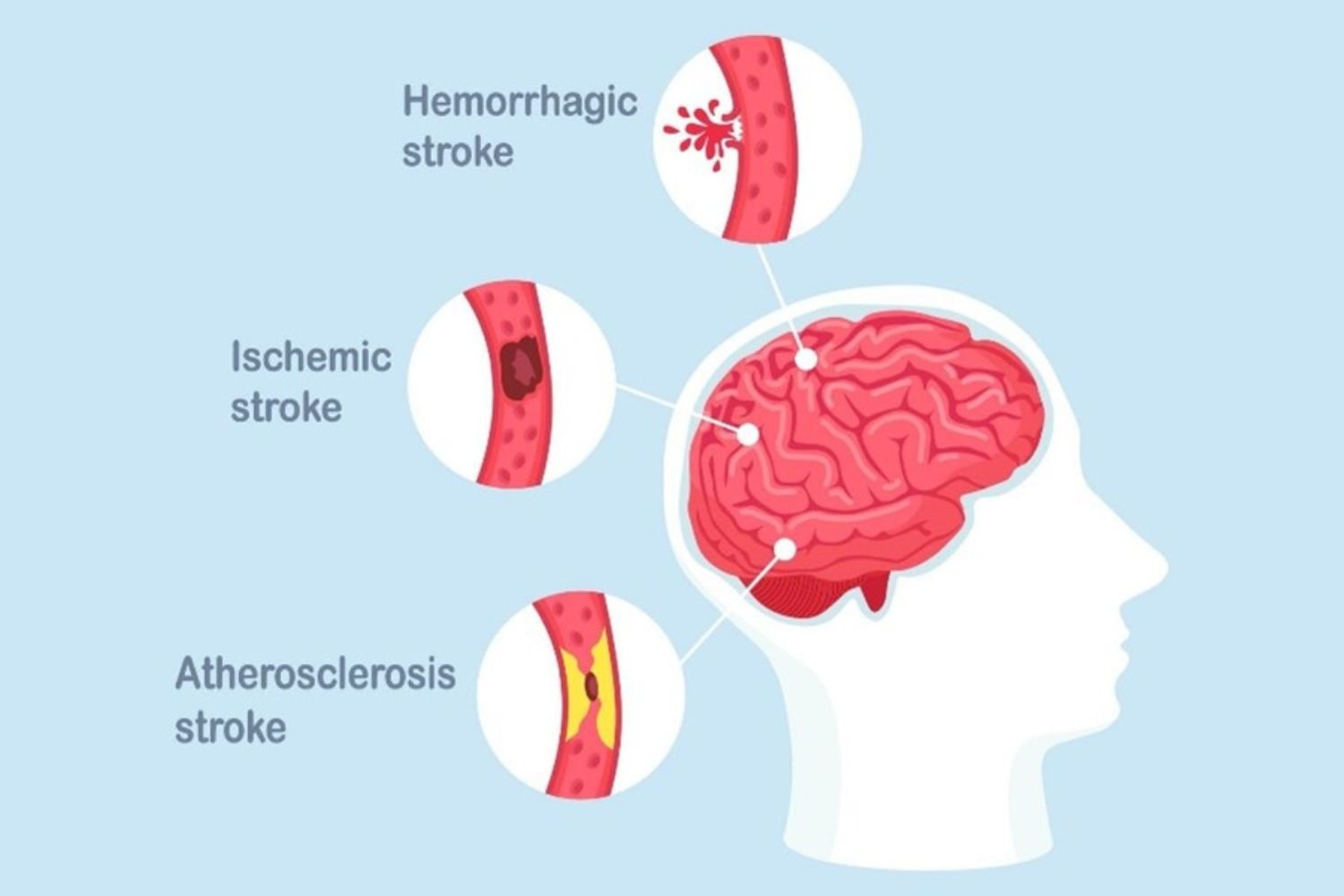
- Brain vessels become vulnerable
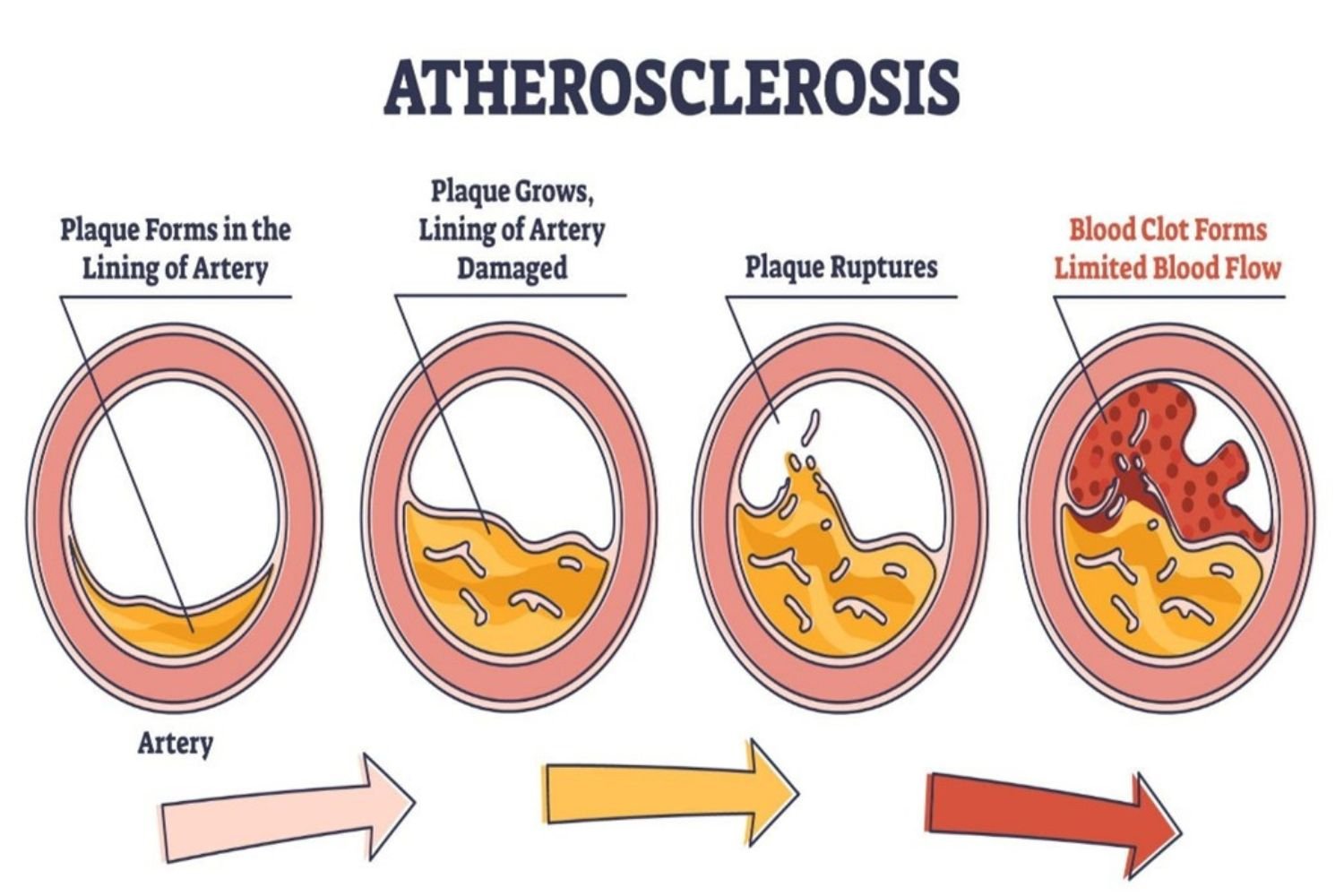
- Arteries stiffen
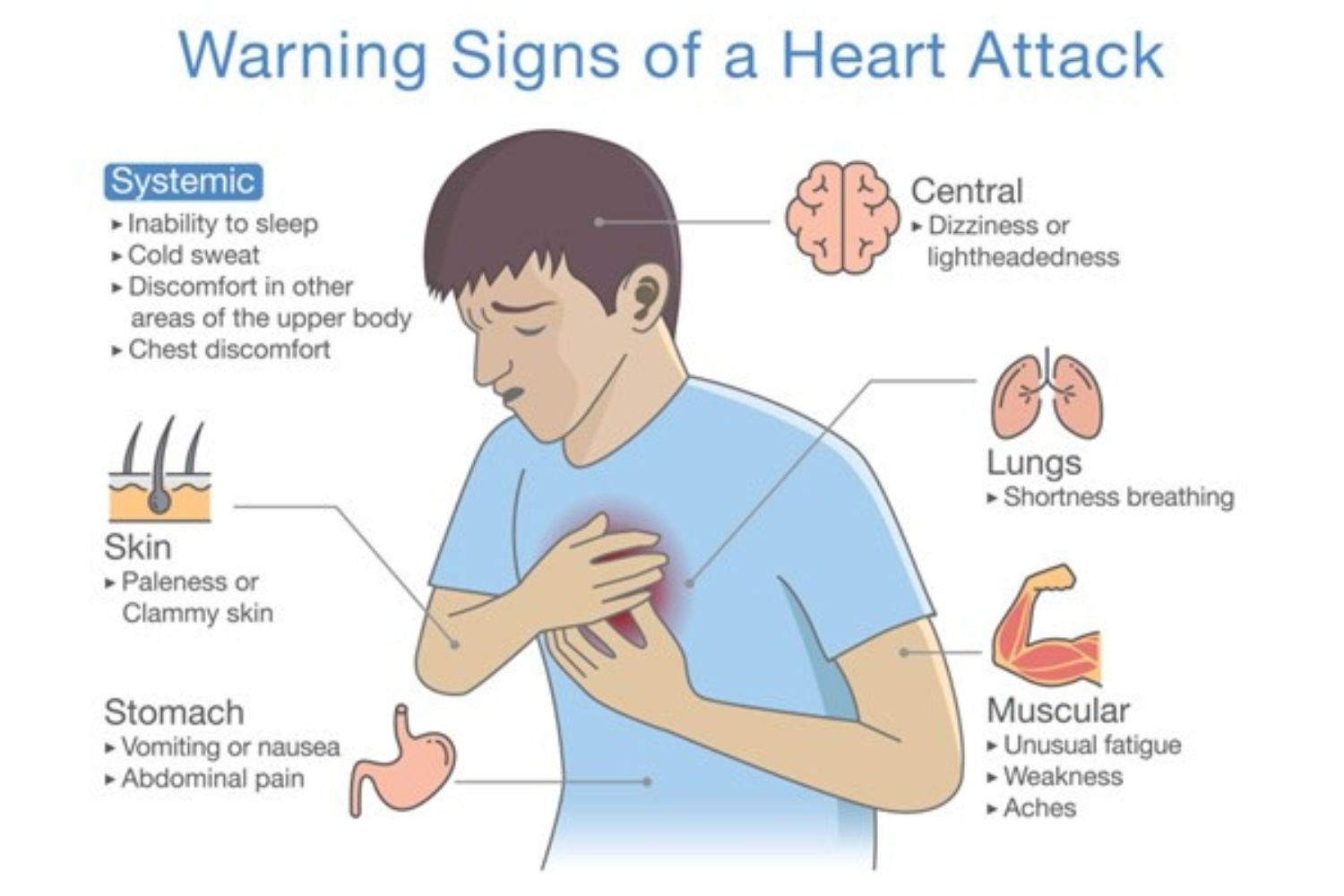
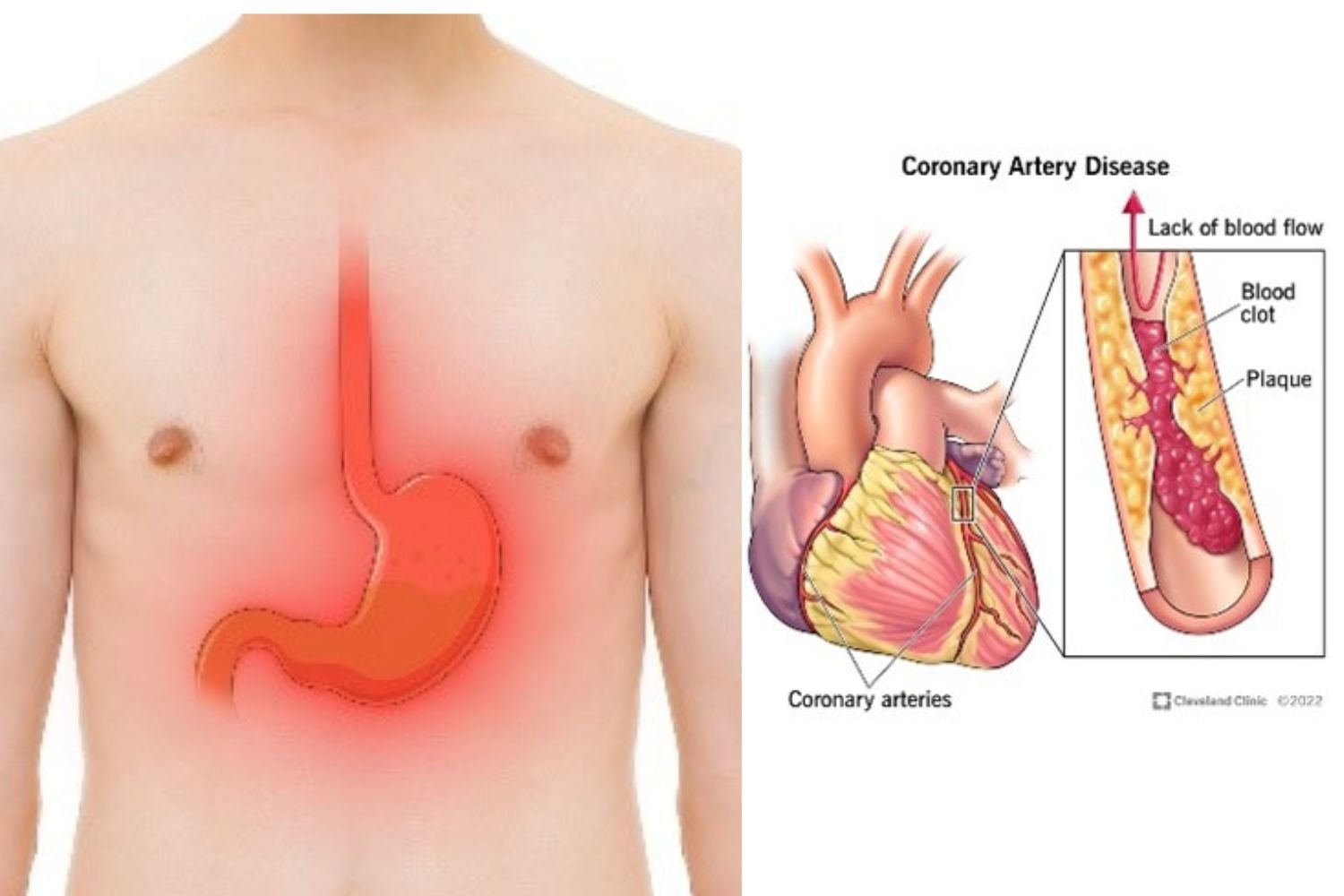
Symptoms often appear only after complications like stroke or heart attack.
This is why routine BP monitoring is essential.
Myth 2: “High BP only happens in older people.”
- Question: Can young adults develop hypertension?
- Answer: Yes — increasingly common.
Urban risk factors:
- High stress
- Sedentary lifestyle
- High salt intake
- Obesity
- Poor sleep
- Family history
In India, hypertension is frequently diagnosed in patients in their 30s.
Age is no longer protection.
Myth 3: “If my BP is high once, it doesn’t matter.”
- Question: Is a single high BP reading harmless?
- Answer: No.
Repeated elevated readings increase risk of:
- Heart attack
- Stroke
- Heart failure
- Kidney disease
Diagnosis requires multiple readings, but ignoring high numbers is dangerous.
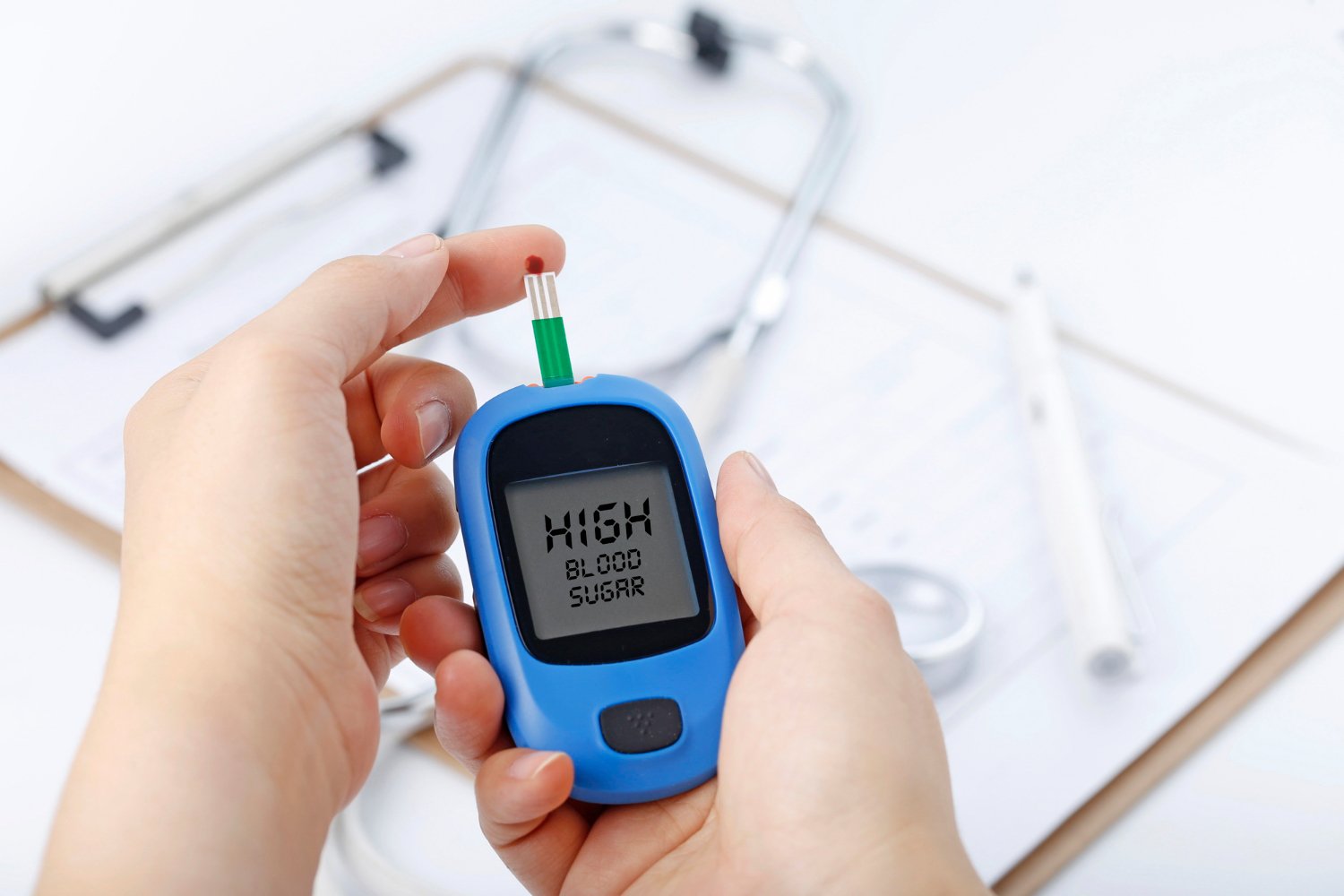
Home monitoring provides better long-term insight.
Myth 4: “Once I start BP medicine, I can never stop.”
- Question: Are hypertension medicines lifelong?
- Answer: Often yes — but not always.
If hypertension is due to lifestyle factors, aggressive changes may reduce medication requirement.
However:
Stopping medication without supervision leads to:
- BP spikes
- Increased cardiac risk
- Silent organ damage
Hypertension is managed, not cured.
Myth 5: “I exercise, so I don’t need to worry about BP.”
- Question: Does physical activity eliminate hypertension risk?
- Answer: No.
Exercise helps — but risk depends on:
- Genetics
- Salt sensitivity
- Stress levels
- Metabolic health
Even fit individuals can have high BP.
Regular monitoring remains necessary.
Myth 6: “I only need treatment if BP is very high.”
- Question: When should high blood pressure be treated?
- Answer: Treatment depends on:
- BP level
- Age
- Diabetes status
- Kidney function
- Cardiovascular risk score
Even moderately elevated BP can be dangerous in high-risk individuals.
Target BP goals are individualized.
Myth 7: “High BP causes obvious warning signs.”
- Question: Are headaches a reliable sign of hypertension?
- Answer: Not usually.
Headache may occur in extremely high BP, but most hypertensive patients have no warning signs.
Waiting for symptoms is a mistake.
Myth 8: “BP medicine damages kidneys.”
- Question: Do hypertension medications harm kidneys?
- Answer: Incorrect.
Uncontrolled hypertension damages kidneys.
Many BP medications actually protect kidney function, especially in diabetics.
Avoiding treatment increases long-term risk.
What Uncontrolled Hypertension Actually Does
Long-term uncontrolled BP can lead to:
- Left ventricular hypertrophy
- Heart failure
- Stroke
- Kidney failure
- Peripheral arterial disease
Damage is gradual and silent.
When Should You See a Cardiologist?
Seek evaluation if:
- BP is repeatedly above 130/80 (with risk factors)
- You have diabetes
- You have kidney disease
- There is strong family history
- You experience chest discomfort or breathlessness
Early intervention prevents long-term complications.
Frequently Asked Questions:
Sometimes with weight loss, diet, and lifestyle change — but not always.
Generally below 120/80, but targets vary based on risk profile.
Chronic stress contributes significantly.
Yes, when done correctly and consistently.
Final Takeaway
- Hypertension does not kill suddenly.
- It damages slowly.
- The danger is not the number you feel.
- It is the damage you cannot feel.
- Regular monitoring, risk assessment, and structured management prevent heart attack, stroke, and kidney failure.
- If you are above 30 with lifestyle risk factors, periodic blood pressure evaluation is not optional.
For Comprehensive Cardiac Evaluation
Dr. Ashish Jai Kishan
Senior consultant cardiologist
- Hospital: Fortis Escorts Heart Institute, Okhla, New Delhi
- Appointments: 9990492906
- Book Online: drashishjaikishan.com